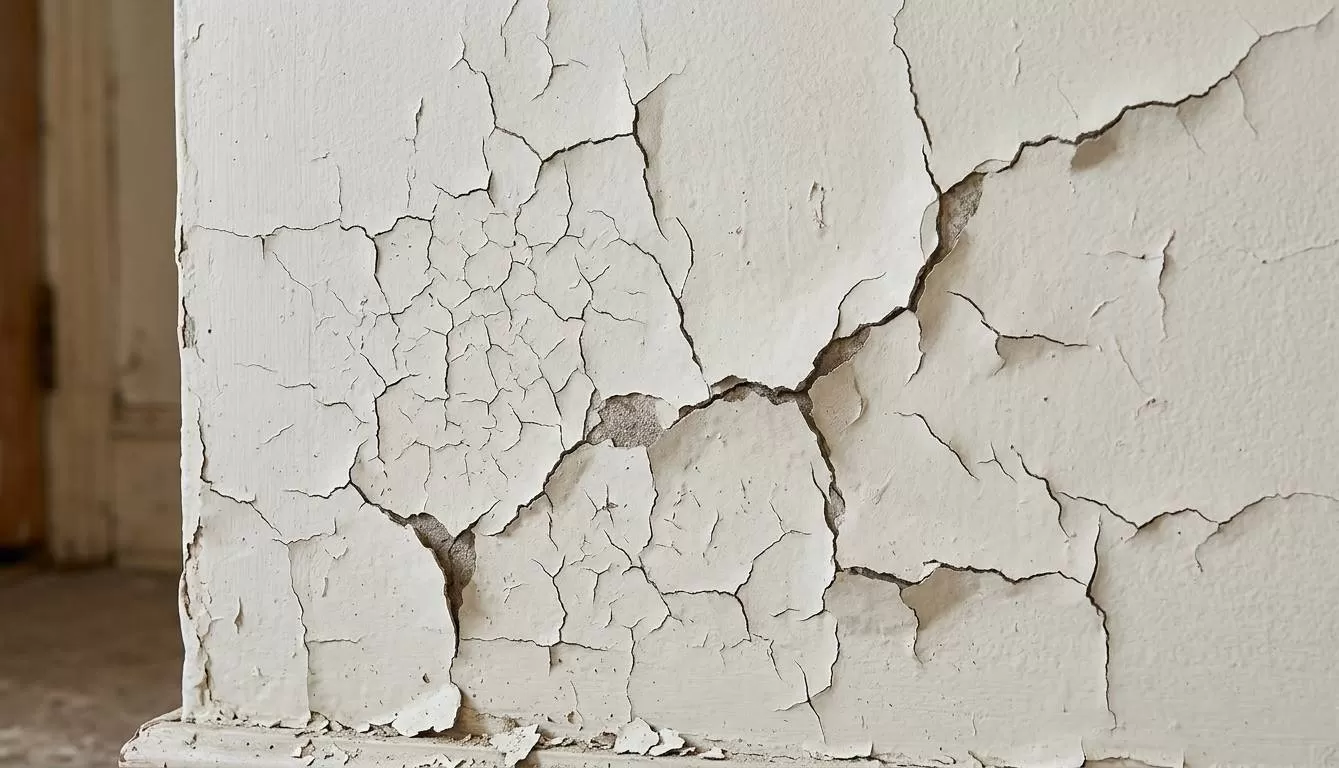
WHAT IS CRACKED PAINT?
Cracked paint is a phenomenon in which split lines appear on the paint film on the surface after drying or during use. Initially, the cracks may be very small and just look like crow's feet lines on the surface. When the condition becomes severe, cracks can widen, penetrating multiple layers of paint and eventually leading to peeling or complete loss of the coating's protective properties.
Not every case of cracked paint comes from the paint itself. In many cases, the cause lies in the ground surface, old paint layer, humidity, construction techniques or movement of materials below. Therefore, if you want to fix cracked paint long term, you need to determine the cause before repainting.
WHY DOES PAINT CRACK?
One of the most common causes is that the paint film is applied too thick. When the paint layer is too thick, drying and shrinkage can create stress within the paint film. If the stress exceeds the coating's ability to withstand deformation, cracks may appear on the surface. Technical documents from Axalta and Asian Paints both indicate that too much paint film thickness can increase the risk of cracking.
Another cause is insufficient drying time between coats of paint. When the lower layer is not yet dry or stable but the next layer has been applied, the layers may shrink and develop different stresses. The outer layer may dry first while there is still solvent or water underneath, increasing the risk of cracks.
PAINT IS CRACKED DUE TO UNWORTHY SURFACE TREATMENT
The substrate surface has a great influence on the durability of the paint film. If the surface still has dust, grease, impurities, the old paint layer is weak or has not been cleaned and treated properly, the new paint layer may not be able to create the necessary adhesion.
In particular, if new paint is applied directly to an old layer of paint that has cracks but is not treated, the underlying defects can continue to grow and reappear on the new paint layer. Technical instructions for treating cracked paint recommend removing unstable paint before repainting.
INCOMPATIBLE PAINT CAN ALSO CAUSE CRACKS
The use of multiple paints or coatings that are incompatible with each other is a notable cause. Different coatings may have different hardness, elasticity, drying speed and degree of shrinkage. When they are used on top of each other, non-uniform deformation can create stress in the paint film and lead to cracking.
Therefore, when applying a multi-coat paint system, compatible primers, intermediate coats and topcoats should be used, and the manufacturer's technical instructions should be followed.
Paint cracks due to temperature and humidity
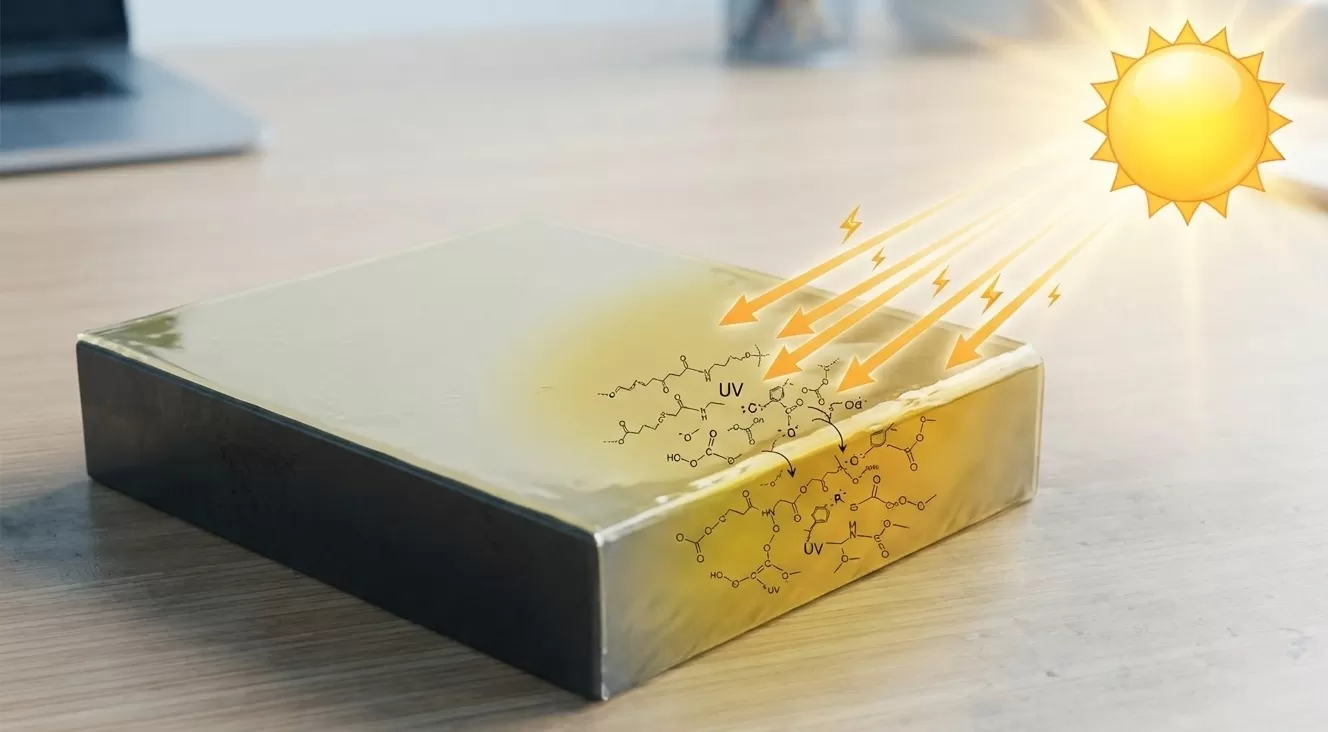
Paint and substrate materials can both expand and contract with changes in temperature and humidity. If the coating is not elastic enough to accommodate surface movement, stress can build up and cause cracking.
This condition is especially noticeable on outdoor surfaces that are frequently exposed to sun, rain, and temperature changes. According to technical documents on paint film defects, changes in temperature, humidity and aging can reduce the elasticity of the coating, thereby increasing the risk of cracking.
HOW TO FIX CRACKED PAINT?
Treatment depends on the depth and severity of the crack. If there are only small cracks in the coating and the underlying layer is still solid, the cracked paint can be removed, sanded to create a stable surface and then repainted. If the crack has penetrated multiple layers or the underlying paint layer is weak, all unstable paint should be removed before applying the new system.
Step 1: Determine the cause before fixing
First, you need to check whether the crack is only on the paint layer or has penetrated the primer layer and the substrate surface. Also check to see if the floor is damp, water-logged, deformed or moving.
If only the surface is treated and the underlying cause still exists, the new paint layer may continue to crack. This is why determining the cause before repair is as important as the repainting operation itself.
Step 2: Remove cracked paint
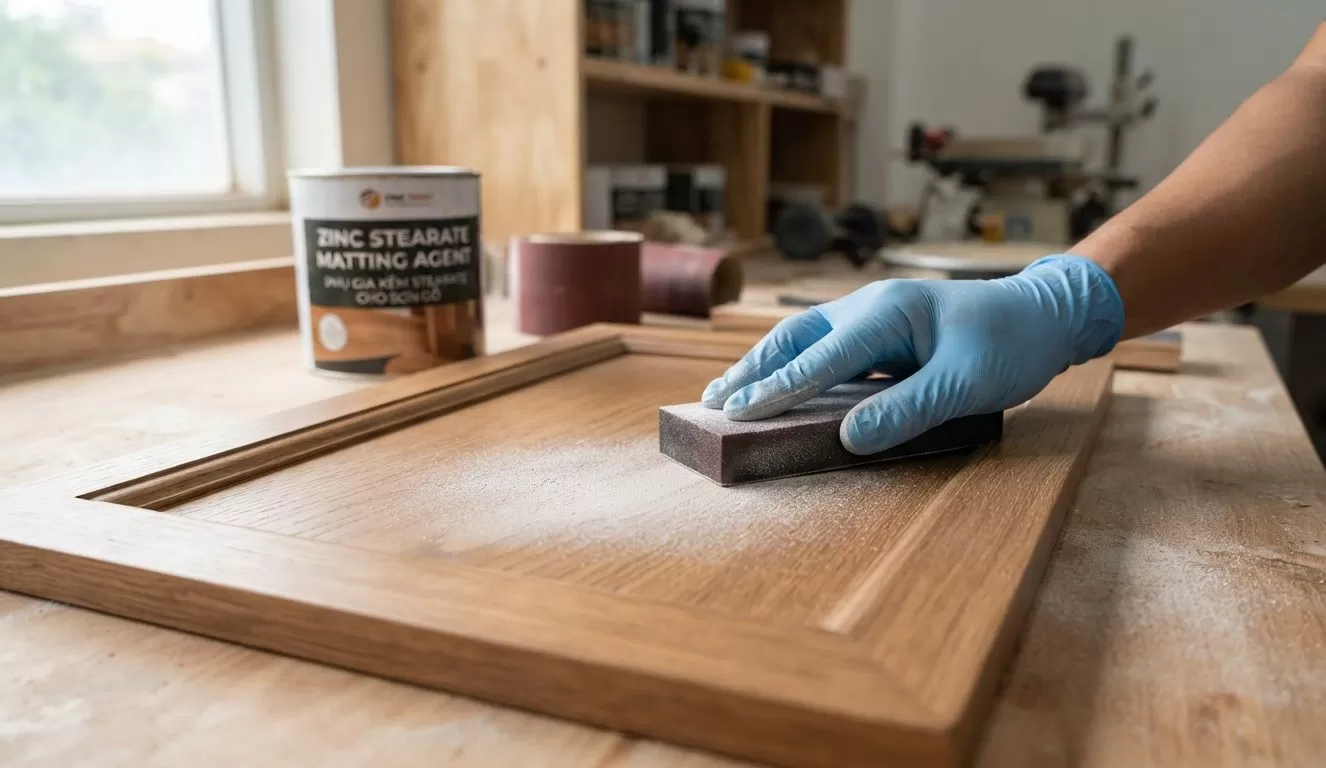
Use suitable tools such as trowel, wire brush or sandpaper to remove cracked, peeling or debonded paint. For severely cracked areas, treatment should continue until a firm base is achieved.
Do not just paint directly over existing cracks. Technical guides from Asian Paints, Sherwin-Williams and PPG all recommend removing cracked paint and curing to a stable base before repainting.
Step 3: Sand and clean the surface
After removing the damaged paint, sanding is needed to smooth out the repair area and create proper adhesion for the new paint. Dust, grease and other dirt should also be completely removed.
If the surface contains dust or impurities, the adhesion of the new paint system may be affected. For highly glossy surfaces, roughening the surface also helps the new paint layer bond better.
Step 4: Treat surface defects
If the substrate has holes, cracks or uneven locations, it should be repaired with suitable materials before painting. For walls, it may be necessary to use a suitable putty or sealant; For metals or other materials, choose repair materials compatible with the paint system.
It is important not to use new paint to cover up structural defects or cracks that are still developing.
Step 5: Use suitable primer
Once the surface is conditioned, a primer suitable for the base material and paint system can be used. Primers help improve adhesion, create a uniform substrate, and in some cases help limit differences in absorption between surface areas.
For porous surfaces or repaired areas, the use of a suitable primer is especially important before applying the finish coat.
Step 6: Repaint with appropriate thickness
When repainting, do not try to create coverage by applying too thick a layer. The number of layers, coverage rate and drying time specified by the manufacturer should be followed.
Excessive paint film thickness is one of the factors that can increase stress and risk of cracking. Therefore, more paint does not mean more durable paint. A paint system that is applied at the correct thickness and according to the correct procedure is usually more stable than trying to create a film that is too thick.
SHOULD I OVER PAINTING OVER CRACKED PAINT?
Normally, you should not paint directly over cracked paint. If the underlying layer continues to crack or lose its bond, the new paint layer only covers it temporarily and the defect may reappear.
For light cracks limited to the outer coating, the paint can be sanded until the paint layer is stable and then repainted. But if the crack is deep or widespread, it is necessary to remove the damaged paint and re-treat the system from a stable base layer.
HOW TO PREVENT PAINT CRACKS IN THE FIRST PLACE?
To limit the phenomenon of paint cracking, it is necessary to simultaneously control the surface, material, paint film thickness and construction conditions. The surface must be clean and stable, paint layers must be compatible, materials must be mixed according to instructions, not applied too thickly and must ensure adequate drying time between layers.
For surfaces that are likely to stretch or vibrate, a paint system with appropriate elasticity should be selected. Asian Paints also recommends the use of a more flexible paint system in cases where the risk of cracking is related to surface movement.
WHAT ROLE DOES SILICA PLAY IN IMPROVING PAINT PERFORMANCE?
In paint formulation, silica can be used as a filler or functional material depending on the type of silica, particle size and surface treatment. Choosing the right silica can contribute to adjusting paint film properties such as hardness, mechanical strength, rheological properties and abrasion resistance.
However, it should not be understood that just adding silica can completely solve the phenomenon of cracked paint. The crack resistance of a paint film depends on the entire formulation system, including resin/film former, pigment, filler, additives, mixing ratio, film thickness and curing conditions. Therefore, if using silica in paint formulation, it is necessary to optimize the ratio and compatibility with the binder system instead of just increasing the filler content.
WHEN DO I NEED TO TREAT THE ENTIRE PAINT COATING?
If the crack is widespread, appears in a dense network, the paint layer is peeling, or the crack goes through multiple layers, local repair is often not the optimal choice. At that time, it is necessary to remove unstable paint layers, inspect and repair the substrate, and then rebuild the appropriate paint system.
In particular, if the cause comes from moisture, water seepage, ground movement or structural problems, the cause must be resolved before repainting. Otherwise, the new paint layer is still at risk of continuing to crack even if high quality paint is used.
The effective way to fix cracked paint is not to apply a new layer of paint, but to correctly identify the cause, remove the damaged paint layer, treat the surface and re-apply the appropriate paint system. Common causes include too thick a paint film, poor surface preparation, insufficient drying time between coats, incompatible materials, humidity and temperature changes, or insufficient coating elasticity.
For paint manufacturers, limiting cracking not only depends on the construction process but also starts with the formula design. Choosing the right resins, pigments, fillers and additives, including the appropriate silica species, will help build a paint film with a balance between hardness, adhesion and elasticity. When combining the right formula with the correct application process, the risk of paint cracking will be better controlled.
>> See more types Additives for paint at Mega Vietnam <<
>> See more Epoxy resin <<
>> See more Epoxy resin SM828 <<
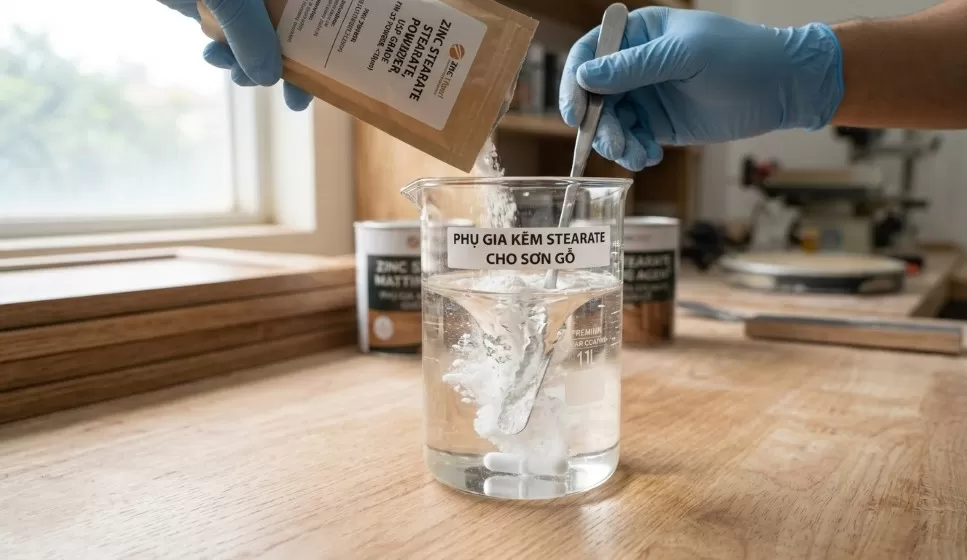
>> See more Zinc stearate (wood paint additive) <<
MEGA VIETNAM GENERAL TRADING COMPANY LIMITED
Address: Floor 2-A2-IA20, Nam Thang Long Urban Area, Ward. Pham Van Dong, Phu Thuong Ward, City. Hanoi.
Email: contact@megavietnam.vn; Tel: (+84) 24 375 89089;
Website: megavietnam.vn; Hotline: 1800.577.728; Zalo: 0971.023.523