megavietnam.vn
Tiếng ViệtEnglish

NEWS

Display
WHAT IS RUBBER VULCULATION REACTION? PRINCIPLES, MECHANISM AND ROLE IN THE RUBBER INDUSTRY

WHAT IS RUBBER VULCULATION REACTION? PRINCIPLES, MECHANISM AND ROLE IN THE RUBBER INDUSTRY

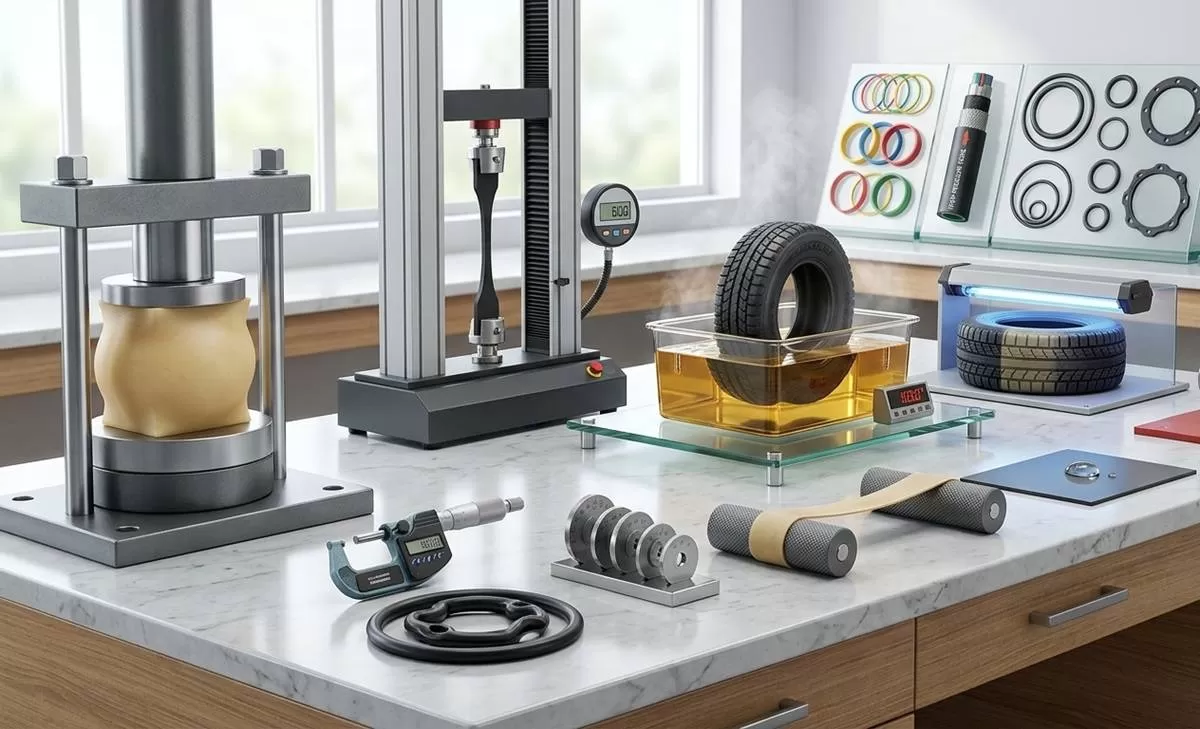
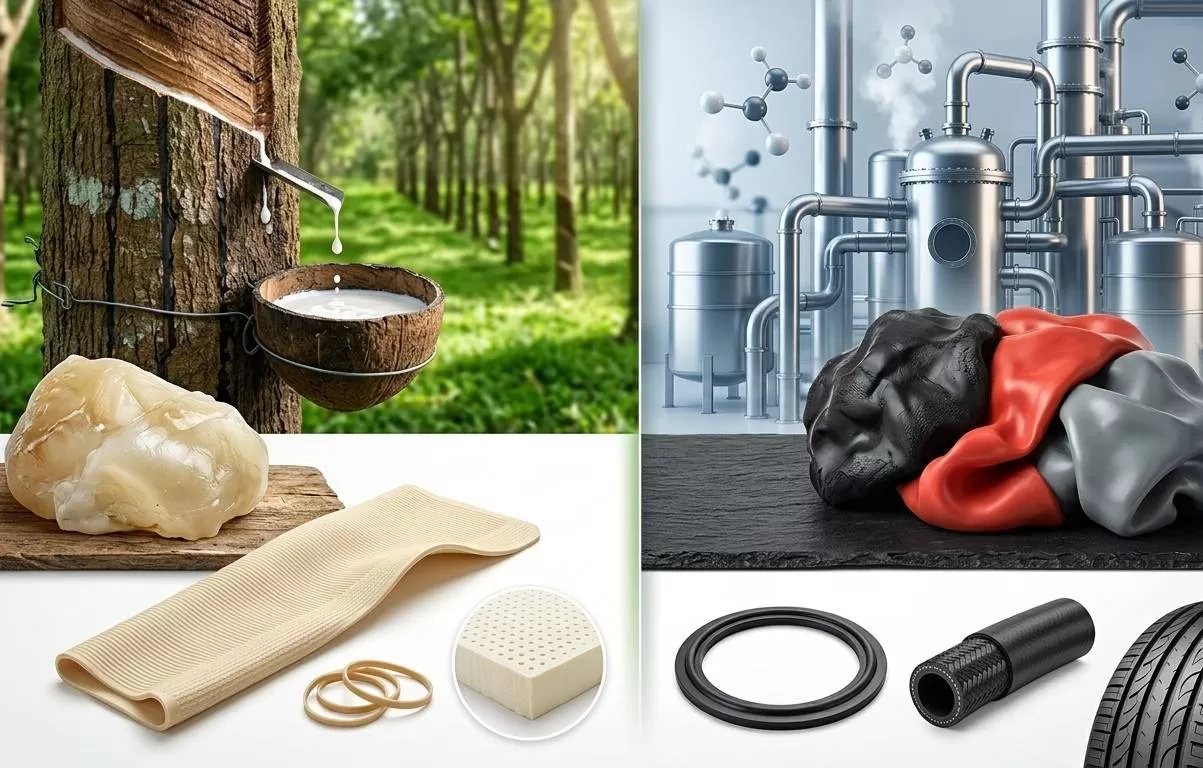
  Rubber vulcanization is the process of treating rubber with chemical agents, most commonly sulfur, to create cross-links between rubber polymer chains. This process helps turn rubber from a soft, flexible, easily deformable state into a material with high elasticity, good mechanical strength, and outstanding heat and abrasion resistance.
REVERSE WATERPROOF PAINT - EFFECTIVE SOLUTION FOR PROJECTS WITH WATER LEATHER FROM THE INSIDE

REVERSE WATERPROOF PAINT - EFFECTIVE SOLUTION FOR PROJECTS WITH WATER LEATHER FROM THE INSIDE

  In the construction field, waterproofing is always one of the important items that determine the longevity and quality of the project. However, waterproofing treatment cannot always be performed from the side in direct contact with the water source. For cases where the exterior of the structure cannot be accessed, such as basements, elevator shafts, underground water tanks or adjacent house walls, reverse waterproofing paint is considered an effective solution to help overcome water seepage from inside the building.
FIRE-PROOF PROPERTIES OF ZINC BORATE – EFFECTIVE FIRE-PROOF ADDITIVE FOR PLASTIC, RUBBER AND INDUSTRIAL MATERIALS

FIRE-PROOF PROPERTIES OF ZINC BORATE – EFFECTIVE FIRE-PROOF ADDITIVE FOR PLASTIC, RUBBER AND INDUSTRIAL MATERIALS

  In the context of increasingly strict fire safety requirements, the use of effective, environmentally friendly fire-retardant additives that meet international standards is becoming an inevitable trend in the materials industry. One of the widely used additives today is Zinc Borate (Zinc Borate) . With the ability to slow down the burning process, reduce the speed of flame spread and limit toxic fumes produced when materials are heated, Zinc Borate has become an important ingredient in many fire protection systems for plastics, rubber, coatings, electrical cables and composite materials.
HOW TO REMEDY THE CONDITION OF PVC PLASTIC BEING brittle and breaking when exposed to cold with DIOCTYL ADIPATE ADDITIVE

HOW TO REMEDY THE CONDITION OF PVC PLASTIC BEING brittle and breaking when exposed to cold with DIOCTYL ADIPATE ADDITIVE

This article focuses on solving the problem of brittle plastic breaking in cold environments using solutions Dioctyl Adipate (DOA) plasticizer . In-depth analysis of negative temperature resistance, Phthalate-free safety and practical applications in the food wrap and children's toy industries. The article also provides notes on plastic mixing techniques to optimize production efficiency.
CURING MDI POLYISOCYANATE: OPTIMIZED JOINT SOLUTION FOR INDUSTRIAL ADHESIVE AND PAINTING SYSTEMS

CURING MDI POLYISOCYANATE: OPTIMIZED JOINT SOLUTION FOR INDUSTRIAL ADHESIVE AND PAINTING SYSTEMS

The article provides an in-depth analysis of the role and technical characteristics of curing MDI Polyisocyanate in the industrial chemical industry. The content focuses on explaining the reaction mechanism of Urethane bonding, practical applications in the production of glue, PU foam and industrial paint. At the same time, the article provides important technical notes on preservation and mixing to optimize product use efficiency.
COMPARISON OF MEGASOL 3503 AND SANMU S121-3F PLASTIC: WHICH IS THE OPTIMUM CHOICE FOR SOLVENT FIREPROOF PAINT SYSTEM?

COMPARISON OF MEGASOL 3503 AND SANMU S121-3F PLASTIC: WHICH IS THE OPTIMUM CHOICE FOR SOLVENT FIREPROOF PAINT SYSTEM?

The article provides an in-depth look at the role of the binder in the formulation of intumescent fireproof paint. Instead of empty advertisements, the content focuses on analysis and actual comparison between the two main plastic lines at Mega Vietnam: MEGASOL 3503 PLASTIC and SANMU PLASTIC S121-3F . Thereby, readers will clearly understand the unique strengths of each type: one side is strong in drying speed and aesthetics, the other side is strong in membrane structure and sustainable heat resistance. This article is a guideline to help manufacturers choose the materials that best suit the project's technical standards.
EPOXY RESIN – UPDATED EPOXY RESIN LIST AT MEGA VIETNAM

EPOXY RESIN – UPDATED EPOXY RESIN LIST AT MEGA VIETNAM

  Epoxy resin is one of the most widely used thermosetting plastics today in industrial paint, composite materials, electronics, construction, technical adhesives and many other manufacturing fields. Thanks to its ability to create durable films, high adhesion, corrosion resistance, chemical resistance and good strength, epoxy resin has become an important material in many modern material systems.
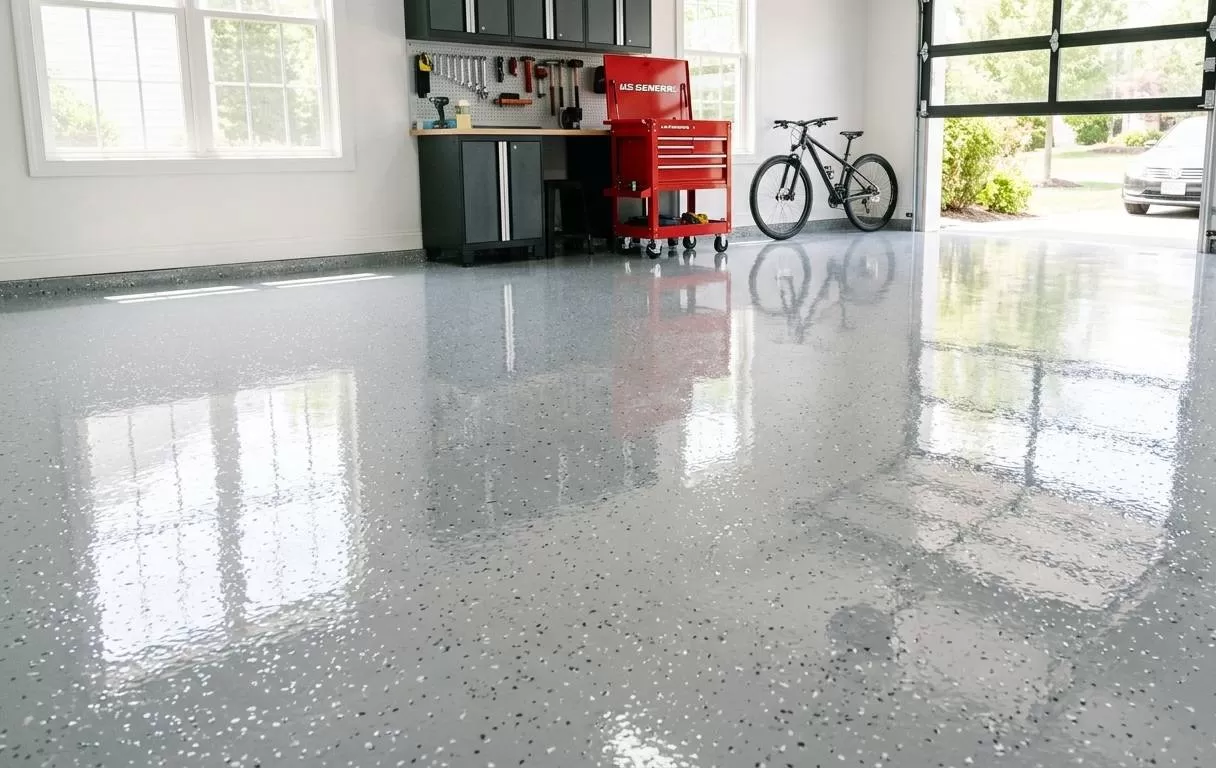
IS EPOXY FLOOR PAINTING GOOD?

IS EPOXY FLOOR PAINTING GOOD?

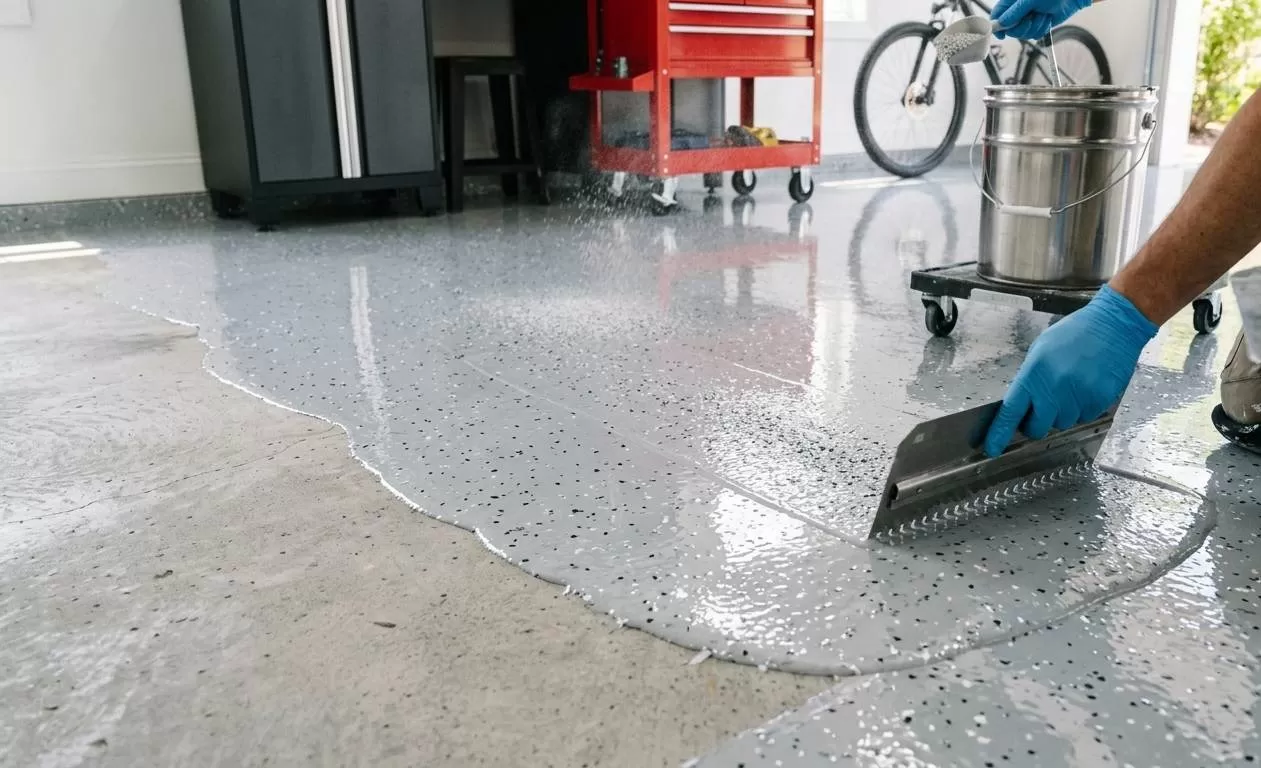
  In recent years, epoxy floor paint has become a surface finishing solution widely used in factories, warehouses, hospitals, schools, commercial centers and even residential homes. However, many people still wonder whether epoxy floor paint is really good, durable, and worth the investment compared to other floor finishing materials. To answer this question, it is necessary to comprehensively consider the technical characteristics, advantages, disadvantages as well as practical applicability of this material.
IS EPOXY PLASTIC FLAMMABLE? EXPLAIN IN DETAIL THE FIRE-RESISTANT PROPERTIES OF EPOXY

IS EPOXY PLASTIC FLAMMABLE? EXPLAIN IN DETAIL THE FIRE-RESISTANT PROPERTIES OF EPOXY

  Epoxy resin is one of the most commonly used materials in the electronics, mechanical, construction, composite and surface coating industries thanks to its high adhesion, good electrical insulation, chemical resistance and outstanding mechanical durability. However, many people when learning about or using epoxy often ask questions about whether epoxy resin is flammable and whether this material is safe to use in electrical equipment or high-temperature environments.
TRANSPARENT EPOXY RESIN FOR DIVERSE APPLICATIONS

TRANSPARENT EPOXY RESIN FOR DIVERSE APPLICATIONS

  In recent years, transparent epoxy is becoming one of the most widely used materials in many fields such as furniture, construction, arts and crafts, electronics and modern industry. With the ability to create a beautiful glossy surface, high transparency, good hardness and strong adhesion, transparent epoxy resin not only brings technical value but also creates a special aesthetic effect for the finished product.
THE DIFFERENCE BETWEEN EPOXY PLASTIC AND POLYESTER PLASTIC

THE DIFFERENCE BETWEEN EPOXY PLASTIC AND POLYESTER PLASTIC

  Epoxy resin and polyester resin are two types of thermosetting plastics that are very commonly used in industry, construction, mechanics, composites, coatings and manufacturing of technical materials. Although both have the ability to cure to form a hard layer of material, these two types of plastic have many major differences in chemical structure, mechanical strength, waterproofing ability, adhesion as well as cost of use. Understanding the difference between epoxy resin and polyester resin will help businesses and users choose the right material to suit their actual needs.
ADHESION OF EPOXY RESIN TO DIFFERENT SURFACES

ADHESION OF EPOXY RESIN TO DIFFERENT SURFACES

  In the field of industrial coatings, structural adhesives, waterproofing or composite materials, epoxy resin always considered one of the materials with the strongest adhesion today. Not only appearing in factories, epoxy resin is also widely used in civil construction, furniture, mechanics, electronics and technical repair thanks to its diverse adhesive ability on many different materials.