megavietnam.vn
Tiếng ViệtEnglish

MARKET NEWS

Display
TRAFFIC PAINTING: CHARACTERISTICS, CLASSIFICATION AND APPLICATION IN MODERN INFRASTRUCTURE

TRAFFIC PAINTING: CHARACTERISTICS, CLASSIFICATION AND APPLICATION IN MODERN INFRASTRUCTURE

  Road marking paint is one of the important materials that contributes to ensuring safety and improving traffic organization efficiency. Painted lines on the road not only help divide lanes and guide vehicles, but also help drivers see better at night or in adverse weather conditions. To meet the requirements of durability, reflectivity and abrasion resistance, current road marking paint is developed with many different technologies such as thermoplastic paint (Hot Melt), solvent-based paint and water-based paint. Understanding the characteristics of each type of paint will help construction units and investors choose the appropriate solution for each traffic project.
WHAT IS FSC SUSTAINABLE RUBBER CERTIFICATE? MEANING AND BENEFITS FOR BUSINESSES

WHAT IS FSC SUSTAINABLE RUBBER CERTIFICATE? MEANING AND BENEFITS FOR BUSINESSES

  Before choosing products from wood or natural rubber, many businesses and consumers today not only care about quality but also focus on the origin of raw materials and sustainability. In the rubber industry, FSC certification has become one of the prestigious international standards, helping to confirm that raw materials are exploited in an environmentally, socially and economically responsible manner. For businesses producing paint, glue, construction materials, furniture or consumer products using natural rubber, understanding FSC certification will help choose a reliable source of raw materials and meet the increasingly strict requirements of export markets. Below is information to help you clearly understand FSC sustainable rubber certification.
HOW DOES DIRECT LIGHT AFFECT EPOXY RESIN? CHANGES USERS NEED TO KNOW

HOW DOES DIRECT LIGHT AFFECT EPOXY RESIN? CHANGES USERS NEED TO KNOW

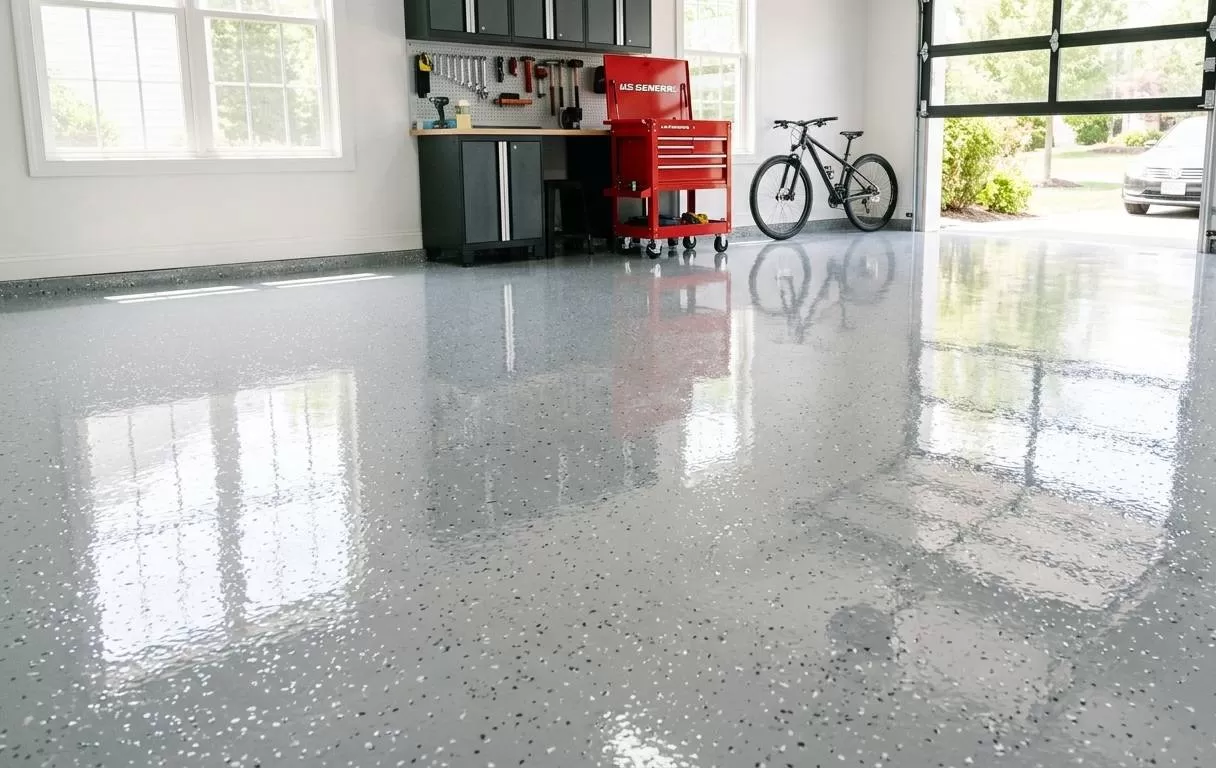
  Epoxy resin known for its high adhesion ability, good mechanical strength, chemical resistance and is widely used in the production of epoxy paint, glue, composite materials and many industrial fields. However, one of the biggest limitations of epoxy is its relatively poor ultraviolet (UV) resistance.
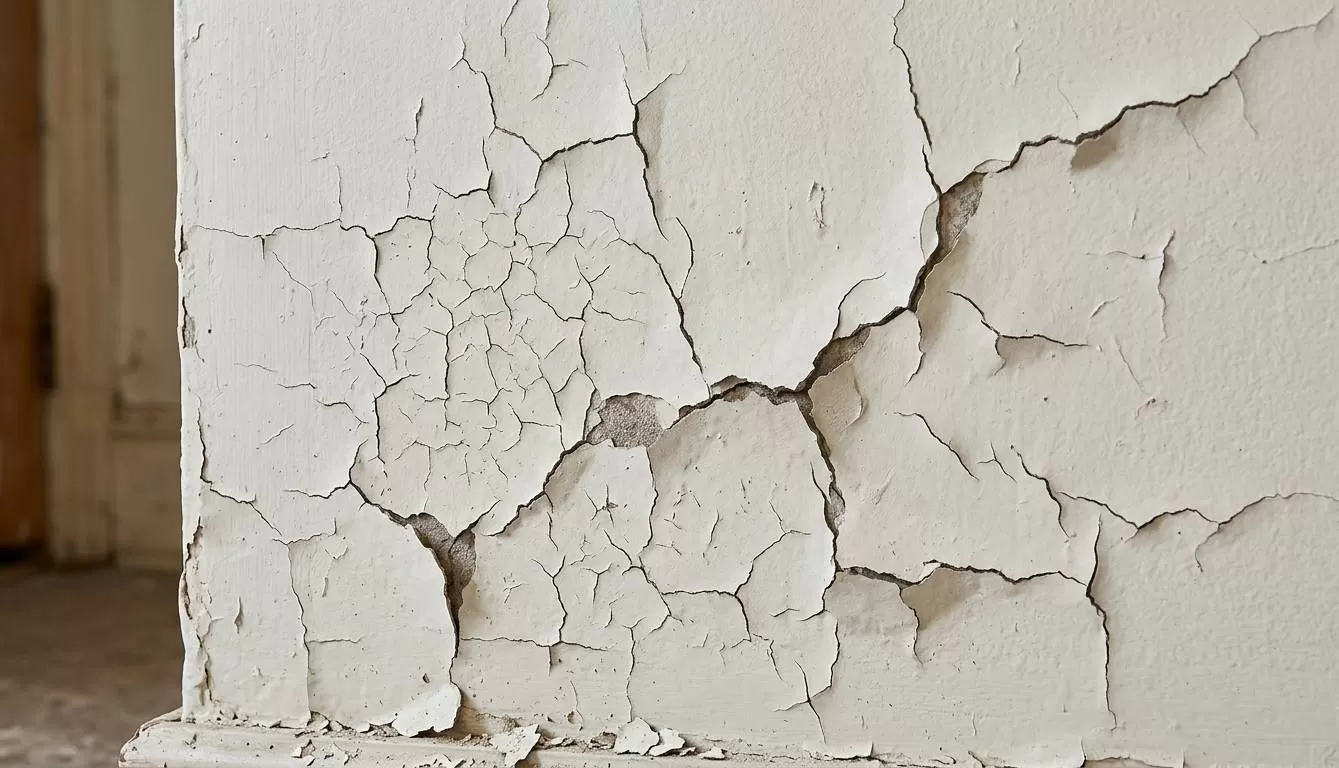
COMMON MISTAKES WHEN PAINTING HOUSES AND EFFECTIVE HOW TO FIX THEM

COMMON MISTAKES WHEN PAINTING HOUSES AND EFFECTIVE HOW TO FIX THEM

  Painting a house not only helps protect the wall surface from the effects of weather but also creates aesthetics for the entire project. However, in reality, many houses after only a short time have phenomena such as peeling, blistering, cracked paint, discoloration or mold. Most of these problems do not stem from paint quality but from the construction process, surface treatment or inappropriate material selection. Understanding common mistakes when painting houses will help investors and homeowners proactively prevent them, while also saving significant repair costs in the future.
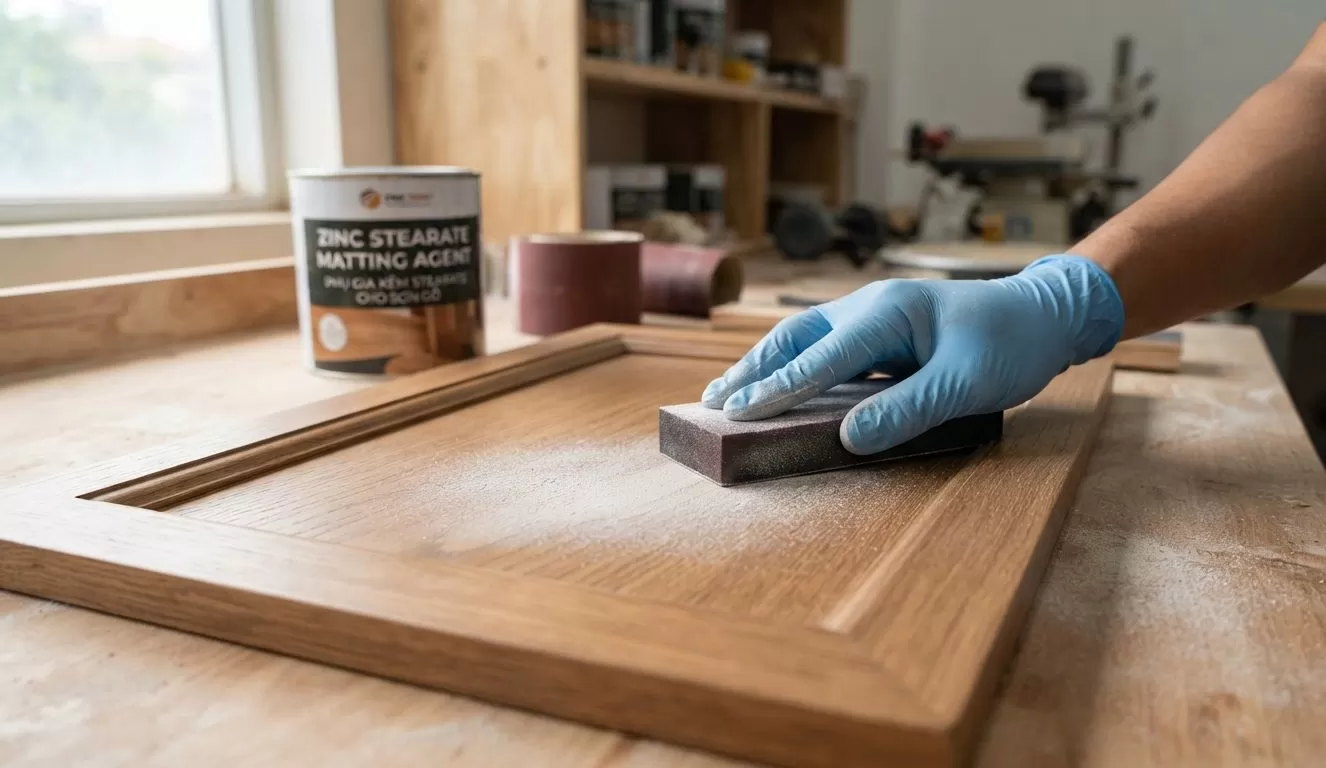
WHAT TYPE OF WOOD PAINT IS GOOD? EXPERIENCE IN CHOOSING BEAUTIFUL AND DURABLE WOOD PAINT FOR EVERY PROJECT

WHAT TYPE OF WOOD PAINT IS GOOD? EXPERIENCE IN CHOOSING BEAUTIFUL AND DURABLE WOOD PAINT FOR EVERY PROJECT

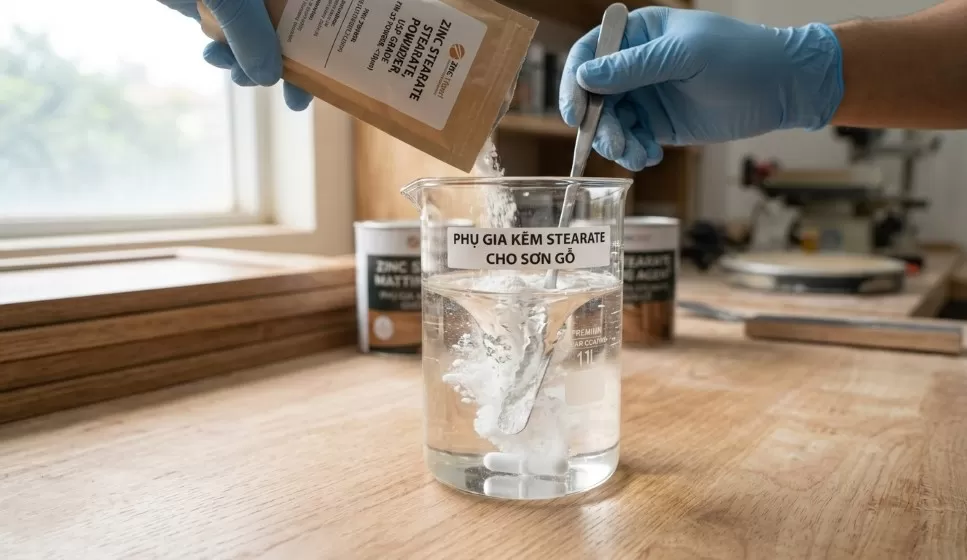
  Wood is always a popular material in interior and exterior design thanks to its natural beauty, elegance and high durability. However, to keep wooden products always beautiful, limit warping, prevent mold and prolong life, choosing the right paint plays an extremely important role. On the market today there are many different types of wood paint such as PU paint, NC paint, water-based paint or oil paint, making many people wonder which type of wood paint is good and suitable for their needs.
HOW ARE ALKYD PAINT AND EPOXY PAINT DIFFERENT?

HOW ARE ALKYD PAINT AND EPOXY PAINT DIFFERENT?

  In the field of industrial paint, alkyd paint and epoxy paint are both commonly used paint systems to protect and increase the aesthetics of material surfaces. However, although both have the ability to create beautiful, durable coatings, these two types of paint differ significantly in composition, curing mechanism, mechanical durability, corrosion resistance as well as scope of application. Understanding these differences will help users choose the appropriate paint system, both ensuring effective project protection and optimizing investment costs.
WHAT IS PT/CO COLOR SCALE? MEANING OF COLOR CRITERIA IN EVALUATION OF EPOXY RESIN

WHAT IS PT/CO COLOR SCALE? MEANING OF COLOR CRITERIA IN EVALUATION OF EPOXY RESIN

  In the chemical and industrial paint industries, epoxy resin and composite materials, the color of raw materials is one of the important quality indicators. To evaluate the color of clear or pale yellow liquids, people often use the Pt/Co color scale (Platinum-Cobalt Color Scale), also known as Hazen Color or APHA Color. This is essentially the same color measurement system widely used around the world.
THE ROLE OF ZINC BORATE IN INCREASING THE MECHANICAL DURABILITY OF RUBBER MATERIALS

THE ROLE OF ZINC BORATE IN INCREASING THE MECHANICAL DURABILITY OF RUBBER MATERIALS

  In the modern rubber industry, improving the mechanical durability of products is always one of the most important goals. Rubber products such as gaskets, tires, cables, conveyor belts or insulating materials must meet strict requirements for tensile strength, tear strength, abrasion resistance and service life. To achieve these requirements, manufacturers often use many different types of additives, among them zinc borate (Zinc Borate) is an effective solution and is increasingly widely applied.
HOW DOES THE VISCOSITY OF EPOXY RESIN AFFECT THE PAINT MIXING PROCESS?

HOW DOES THE VISCOSITY OF EPOXY RESIN AFFECT THE PAINT MIXING PROCESS?

  In the industrial paint and surface protection paint industry, epoxy resin is one of the widely used base plastics thanks to its good adhesion, high mechanical strength and outstanding chemical resistance. When selecting an epoxy resin for a paint formulation, one of the most important specifications to consider is viscosity.
WHAT IS RUBBER VULCULATION REACTION? PRINCIPLES, MECHANISM AND ROLE IN THE RUBBER INDUSTRY

WHAT IS RUBBER VULCULATION REACTION? PRINCIPLES, MECHANISM AND ROLE IN THE RUBBER INDUSTRY

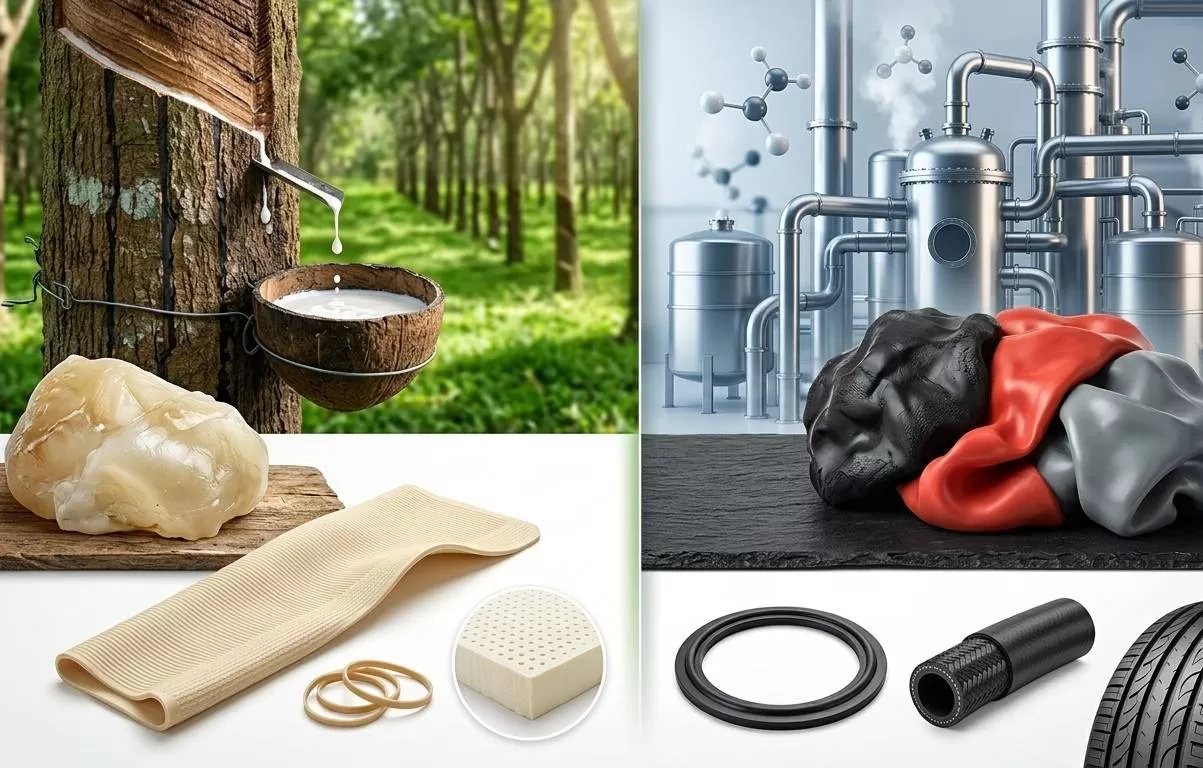
  Rubber vulcanization is the process of treating rubber with chemical agents, most commonly sulfur, to create cross-links between rubber polymer chains. This process helps turn rubber from a soft, flexible, easily deformable state into a material with high elasticity, good mechanical strength, and outstanding heat and abrasion resistance.
REVERSE WATERPROOF PAINT - EFFECTIVE SOLUTION FOR PROJECTS WITH WATER LEATHER FROM THE INSIDE

REVERSE WATERPROOF PAINT - EFFECTIVE SOLUTION FOR PROJECTS WITH WATER LEATHER FROM THE INSIDE

  In the construction field, waterproofing is always one of the important items that determine the longevity and quality of the project. However, waterproofing treatment cannot always be performed from the side in direct contact with the water source. For cases where the exterior of the structure cannot be accessed, such as basements, elevator shafts, underground water tanks or adjacent house walls, reverse waterproofing paint is considered an effective solution to help overcome water seepage from inside the building.
FIRE-PROOF PROPERTIES OF ZINC BORATE – EFFECTIVE FIRE-PROOF ADDITIVE FOR PLASTIC, RUBBER AND INDUSTRIAL MATERIALS

FIRE-PROOF PROPERTIES OF ZINC BORATE – EFFECTIVE FIRE-PROOF ADDITIVE FOR PLASTIC, RUBBER AND INDUSTRIAL MATERIALS

  In the context of increasingly strict fire safety requirements, the use of effective, environmentally friendly fire-retardant additives that meet international standards is becoming an inevitable trend in the materials industry. One of the widely used additives today is Zinc Borate (Zinc Borate) . With the ability to slow down the burning process, reduce the speed of flame spread and limit toxic fumes produced when materials are heated, Zinc Borate has become an important ingredient in many fire protection systems for plastics, rubber, coatings, electrical cables and composite materials.