WHAT IS SANMU 8170 PLASTIC?
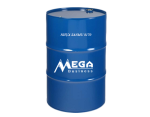
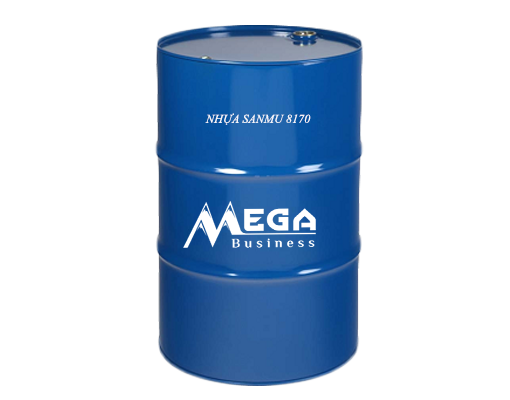
SANMU 8170 is Acrylic Polyol resin originating from China, supplied in solution and standard packaging of 200 kg/drum. According to published technical information, the product has a solid content of 70 ± 1%, viscosity at 25°C about 40–70s, acid index 8–12 mgKOH/g and uses Xylene and CAC solvent systems.
The relatively high solid content is one of the notable features of SANMU 8170, allowing manufacturers to formulate paints with high amounts of film-forming resin while controlling the amount of solvent evaporation.
In essence, Acrylic Polyol is a plastic that contains hydroxyl groups (-OH) on the polymer chain. In the 2K PU paint system, these functional groups can react with the isocyanate group of the curing agent to form a cross-linked polymer network.
It is this mechanism that helps the cured paint layer achieve the hardness, mechanical strength, chemical resistance and environmental durability required for many industrial applications.
WHY IS ACRYLIC POLYOL IMPORTANT IN AUTOMOTIVE PAINTING?
The car's surface must be simultaneously affected by many factors such as sunlight, rainwater, dirt, chemicals, mechanical impact and the car washing process. Therefore, an automotive paint system not only needs to have beautiful colors but also must create a glossy, hard, strong and stable film in outdoor conditions. This is the reason why Acrylic Polyol resin systems combined with polyisocyanate are used in many 2K PU paint formulas.
For SANMU 8170, outstanding features include quick drying, good adhesion, good hardness and mechanical strength, high gloss and stability when exposed to solvents and weather conditions. These properties are consistent with the requirements of coatings that need to simultaneously meet aesthetic and surface protection factors.
APPLICATION OF SANMU 8170 PLASTIC AS PLASTIC FOR AUTOMOTIVE PAINT
One of the prominent application directions of SANMU 8170 plastic is the production of car and motorbike coatings. In paint formulations, film-forming resins significantly determine the ability to form a continuous coating on metal or plastic surfaces.
When properly selected and combined with curing agents, pigments, solvents and additives, Acrylic Polyol can contribute to creating a paint layer with good gloss, high hardness and resistance to mechanical impact.
For car paint, the ability to maintain shine and limit scratches is especially important because the car body surface is often exposed to dust, water, sunlight and impacts during use. SANMU 8170 is oriented by the supplier for car and motorbike paint applications with the goal of creating a beautiful, scratch-resistant surface and maintaining color fastness.
SOLID JAWS 70% – NOTABLE ADVANTAGES OF SANMU 8170
An interesting parameter when choosing plastic for car paint is solidity. SANMU 8170 has a declared solid content of 70 ± 1%, meaning that the non-volatile fraction accounts for a relatively high proportion of the product.
In paint formulation design, high solids can help increase the amount of film-forming material per unit volume of paint and assist in reducing the ratio of solvent required compared to a lower solids resin system, depending on the specific formulation.
However, solid jaws should not be considered in isolation. When developing automotive paint, manufacturers still need to balance solidity, viscosity, sprayability, solvent evaporation rate, 2K mixture life time, film thickness and curing speed. Therefore, SANMU 8170 needs to be evaluated within the entire formula system, rather than based on just one specification.
GLOSSY AND HARDNESS – TWO IMPORTANT REQUIREMENTS OF AUTOMOTIVE PAINT
A car with a beautiful paint job often needs to strike a balance between gloss and hardness. If the paint film is too soft, the surface can easily be scratched; Conversely, if the coating system is too hard but lacks flexibility, the coating may have problems withstanding impact or deformation of the substrate.
SANMU 8170 has high gloss and hardness characteristics, and has good adhesion and good mechanical strength. This is a combination of properties suitable for coating systems that require surfaces that are both highly aesthetic and capable of protecting the substrate.
ADHESION ON METAL AND PLASTIC
In the field of automotive paint, the material base is not limited to steel but can also include a variety of engineering plastics and other materials. Therefore, the adhesion of the plastic and paint system to the substrate is an important factor affecting the durability of the coating.
SANMU 8170 has good adhesion on metal and plastic surfaces, making it suitable for automobile and motorbike coating applications. However, actual adhesion still depends on the type of substrate, surface treatment, primer system, pigment, additives and curing conditions.
SANMU 8170 IN 2K OUTDOOR PU PAINTING SYSTEM
Besides automotive paint, SANMU 8170 is also oriented for outdoor 2K PU paint systems. In the 2K system, the hydroxyl-containing resin component is combined with an isocyanate-containing curing agent to create a cross-linked network after mixing. The degree and speed of curing depends on the nature of the resin, isocyanate type, functional group ratio, catalyst, solvent, environmental temperature and humidity.
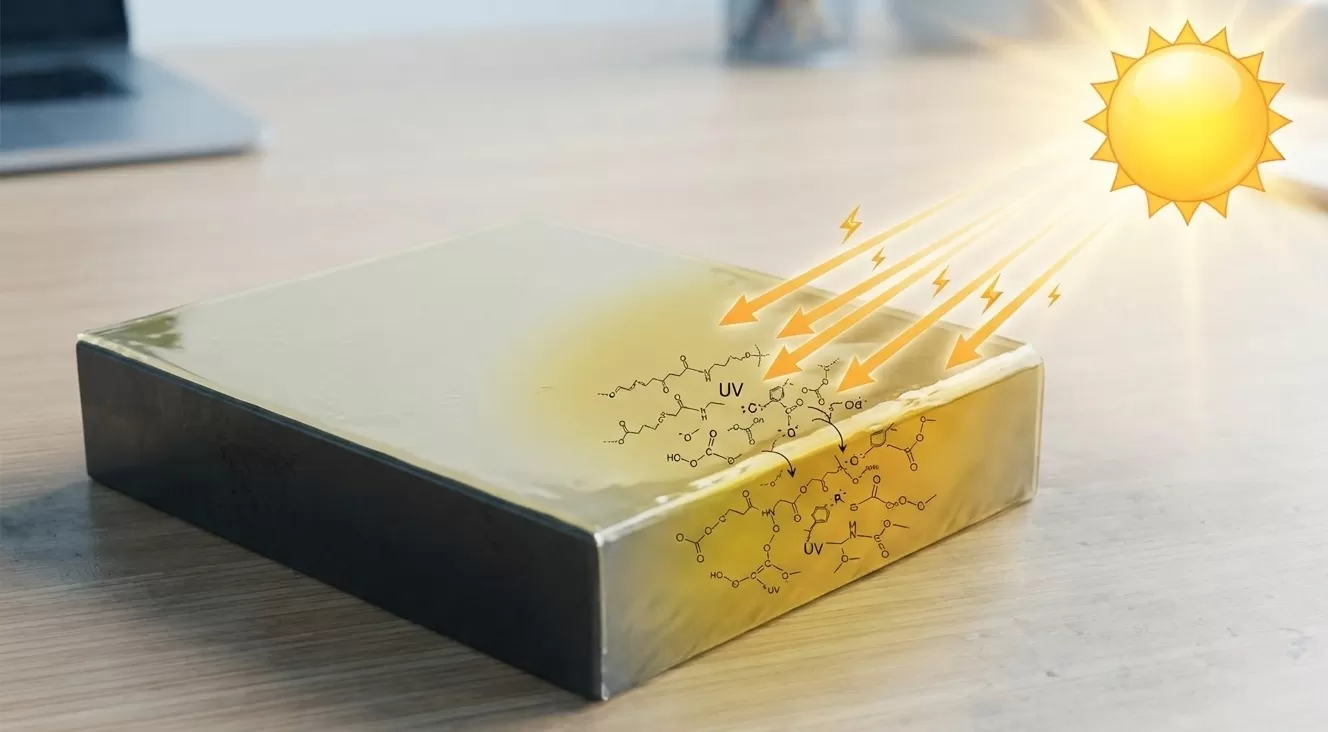
For outdoor coatings, the requirement is not only the initial gloss but also the ability to maintain properties when exposed to UV radiation, temperature, humidity and environmental factors. SANMU 8170 is resistant to solvents, weather and harsh environments and therefore may be considered in 2K PU formulations requiring outdoor durability.
WHERE IS SANMU 8170 PLASTIC ALSO USED?
In addition to plastics for car and motorbike paint, SANMU 8170 is also introduced for high-end industrial paint systems, especially products that require gloss, hardness and stability of the paint film. The product also has applications related to flame retardant additives.
Thus, SANMU 8170 plastic is not only aimed at a single application but can be considered as an Acrylic Polyol raw material for many coating systems that need a combination of aesthetics, hardness, adhesion and environmental durability.
TECHNICAL SPECIFICATIONS TO CONSIDER WHEN CHOOSING SANMU 8170
When evaluating SANMU 8170 for a specific paint formulation, in addition to the 70 ± 1% solid content, the paint manufacturer should consider viscosity, acid number, hydroxyl group content and solvent system.
According to product data, SANMU 8170 has viscosity 40–70s at 25°C, acid index 8–12 mgKOH/g and OH solid 100; The product uses Xylene and CAC as solvents. These parameters need to be compared with the curing system and construction goals before formulating the mixing ratio.
In particular, a fixed mixing ratio should not be applied to every car paint formula based solely on the product name. The resin - isocyanate ratio needs to be determined according to the actual OH group content of the resin and the NCO content of the curing agent, and it is necessary to check criteria such as drying time, hardness, gloss, adhesion, solvent resistance, water resistance and weather resistance.
IS SANMU 8170 SUITABLE FOR AUTOMOTIVE PAINT DEVELOPMENT?
With application orientation for car - motorbike paint and 2K PU paint, with a solid content of 70 ± 1%, high gloss and hardness, adhesion and fast drying ability, SANMU 8170 is a material worth considering when developing Acrylic Polyol coating systems.
However, the final performance of car paint does not depend on the plastic alone. A complete formula also requires the selection of polyisocyanate, pigment, solvent, dispersant, leveling agent, UV protection agent, antioxidant and appropriate functional additives. Actual testing on specific materials and construction conditions is still a necessary step to determine the optimal formula.
SANMU 8170 resin is Acrylic Polyol resin has high solid content, oriented for 2K and especially PU paint systems plastic for car paint, motorbike paint and industrial paint. The combination of 70 ± 1% hardness, gloss, hardness, adhesion and drying speed gives the product the potential to meet paint formulation requirements while also providing aesthetics and surface protection.
For paint manufacturers, the choice of SANMU 8170 should be made on the basis of testing the entire system of Acrylic Polyol - Isocyanate - solvent - pigment - additives, thereby optimizing gloss, hardness, sprayability, drying time, adhesion and weather resistance according to the requirements of each paint line.
>> See details Sanmu 8170 plastic <<
>> See more Plastic for car paint <<
>> See more Zinc stearate (wood paint additive) <<
>> See more Epoxy resin <<
MEGA VIETNAM GENERAL TRADING COMPANY LIMITED
Address: Floor 2-A2-IA20, Nam Thang Long Urban Area, Ward. Pham Van Dong, Phu Thuong Ward, City. Hanoi.
Email: contact@megavietnam.vn; Tel: (+84) 24 375 89089;
Website: megavietnam.vn; Hotline: 1800.577.728; Zalo: 0971.023.523