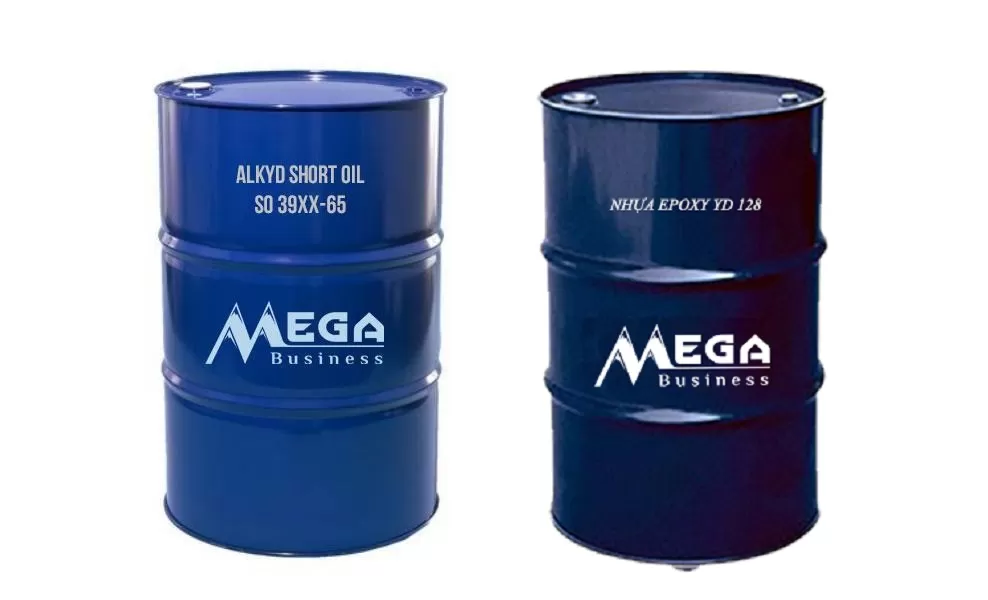
ALKYD PAINT
Alkyd paint is the type of paint used alkyd resin as a film-forming agent, synthesized from the reaction between polyols, organic acids and vegetable oils. This is a one-component paint system, with a curing mechanism through oxidation when exposed to air, so there is no need to add a curing agent before application.
Alkyd paint has the advantage of being easy to use, relatively low cost, creating a beautiful glossy surface and good adhesion on many materials such as metal and wood.
Therefore, this type of paint is often applied to civil steel structures, railings, fences, common machinery, wooden furniture and many items that do not require too high chemical or corrosion resistance.
EPOXY PAINT
Epoxy paint is a two-component paint system epoxy resin and substance epoxy curing. When mixed according to the manufacturer's correct ratio, the two components will chemically react with each other to form a paint film with a very durable cross-linked structure.
Thanks to this special curing mechanism, epoxy paint possesses high hardness, abrasion resistance, water resistance, oil resistance, solvent resistance and chemical resistance superior to many conventional paints.
Therefore, epoxy paint is widely used in factories, workshops, chemical tanks, industrial steel structures, load-bearing concrete floors and many projects that require long-term protection.
HOW ARE ALKYD PAINT AND EPOXY PAINT DIFFERENT?
1. Structural composition
The first difference lies in the composition of the two paint systems. Alkyd paint is a one-component paint system so users only need to stir well before applying.
Meanwhile, epoxy paint consists of two separate components: epoxy resin and curing agent. These two ingredients must be mixed in the correct ratio before use. The two-component structure helps epoxy paint create a chemical curing reaction, thereby forming a coating that is significantly more durable than alkyd paint.
2. Curing mechanism
Alkyd paint dries by absorbing oxygen from the air. This process is relatively slow and the hardness of the paint layer will gradually increase over time.
In contrast, epoxy paint cures thanks to a chemical reaction between epoxy resin and curing agent. After the reaction is complete, the paint layer reaches very high hardness and stability, less affected by environmental factors than alkyd paint.
3. Mechanical durability
In terms of bearing capacity, epoxy paint is clearly superior. Alkyd paint is quite resistant to impact and scratches, suitable for civil projects or equipment that is less subject to mechanical impact.
Meanwhile, epoxy paint has the ability to withstand large loads, resist abrasion and impact very well, so it is often used for factory floors, forklift operating areas, industrial machinery and structures that must work in harsh conditions.
4. Corrosion resistance
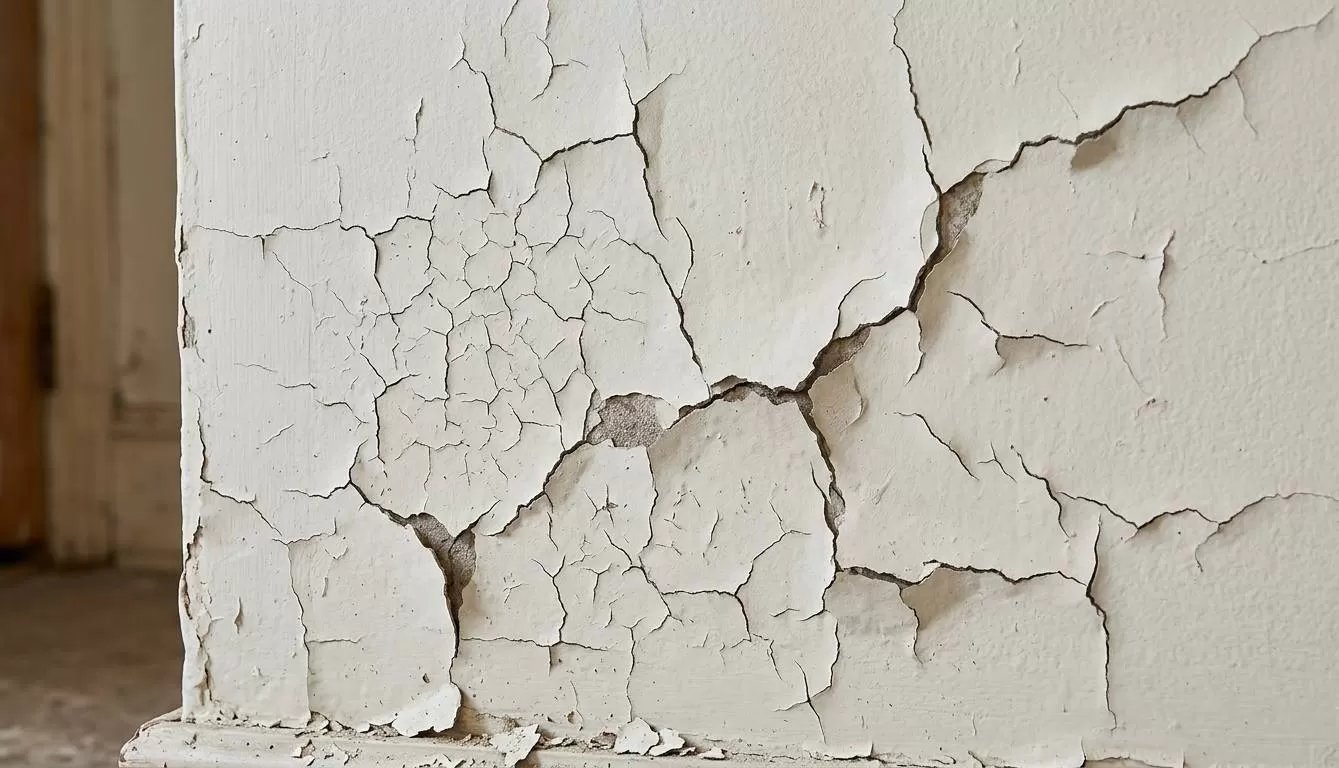
Alkyd paint can protect metal from rust in normal environments. However, if regularly exposed to sea water, high humidity or environments containing chemicals, the paint layer will quickly lose quality.
Meanwhile, epoxy paint is considered one of the most effective anti-corrosion paint systems today. Epoxy coatings are resistant to the effects of sea water, salt vapor, grease, many mild acids and alkalis, thereby significantly extending the life of metal structures.
5. Weather resistance
One point to note is the UV resistance of the two types of paint. Alkyd paints can be used outdoors and maintain their color for a relatively long time, although discoloration or loss of gloss may occur over the years.
For epoxy paint, water resistance is very good but the paint film is not durable under the long-term impact of UV rays. If used directly outdoors without a protective coating, the epoxy surface may become chalky, lose color and reduce aesthetics.
Therefore, in outdoor paint systems, epoxy often acts as a primer or intermediate paint and is coated with polyurethane (PU), acrylic or fluorocarbon paint to increase UV resistance.
6. Chemical resistance
This is the most outstanding advantage of epoxy paint. Alkyd paint is only capable of withstanding a limited number of chemical agents and is not suitable for environments that are frequently exposed to solvents, acids, alkalis or industrial oils. Meanwhile, epoxy paint is resistant to many different chemicals, so it is commonly used in chemical factories, laboratories, food factories, pharmaceutical factories and production areas with high requirements for chemical durability.
7. Service life
If properly applied and maintained, alkyd paint typically has a lifespan of about 3 to 7 years depending on environmental conditions. Meanwhile, epoxy paint systems can maintain protective effects for 10 to 20 years or longer if combined with appropriate coatings and operated under design conditions.
8. Investment costs
In terms of initial cost, alkyd paint has a lower price and the construction process is also simpler because there is no need to mix a curing agent. This helps save time as well as labor costs. In contrast, epoxy paint has a higher price and requires stricter construction techniques. However, thanks to its long lifespan and superior protection, maintenance costs throughout the life of the project are often lower, providing long-term economic efficiency.
Quick comparison table
|
Criteria |
Alkyd paint |
Epoxy paint |
|
Ingredients |
1 ingredient |
2 ingredients |
|
Hardness |
Average |
Very high |
|
Anti-abrasion |
Average |
Very good |
|
Chemical resistant |
Low |
Excellent |
|
Water resistant |
Quite |
Very good |
|
Anti-corrosion |
Quite |
Very good |
|
Resistant to UV rays |
Quite |
Poor if not coated with UV protection layer |
|
Construction |
Easy |
Requires correct mixing ratio |
|
Price |
Low |
Higher |
|
Longevity |
3–7 years |
10–20 years (depending on paint system and usage conditions) |
SHOULD I CHOOSE ALKYD PAINT OR EPOXY PAINT?
The choice between alkyd paint and epoxy paint depends on the actual usage requirements of each project. If you need a paint system that is reasonable in cost, easy to apply and used in common environments such as houses, fences, railings or civil steel structures, then alkyd paint is the right choice.
On the contrary, for factories, warehouses, industrial concrete floors, tanks, outdoor steel structures or environments with high humidity, chemicals and anti-corrosion requirements, epoxy paint will provide superior protection and longer life.
Alkyd paint and epoxy paint both have their own advantages, but are developed to meet different technical requirements. Alkyd paint stands out thanks to its low price, ease of application and suitability for civil projects or common working environments.
Meanwhile, epoxy paint has outstanding advantages in hardness, abrasion resistance, corrosion resistance and chemical resistance, becoming the top choice in the industrial field. Choosing the right paint system from the beginning not only helps increase the longevity of the project but also significantly reduces repair and maintenance costs during use.
>> See more Epoxy resin <<
>> See more Alkyd resin <<
>> See more Epoxy resin YD 011X75 <<
>> See more Longoil alkyd resin <<
MEGA VIETNAM GENERAL TRADING COMPANY LIMITED
Address: Floor 2-A2-IA20, Nam Thang Long Urban Area, Ward. Pham Van Dong, Phu Thuong Ward, City. Hanoi.
Email: contact@megavietnam.vn; Tel: (+84) 24 375 89089;
Website: megavietnam.vn; Hotline: 1800.577.728; Zalo: 0971.023.523