Many people think that they only need to mix two ingredients together to use it. In fact, if the mixing ratio is not correct, the curing reaction will not take place completely, causing the product to soften, stick to the surface, crack, discolor or significantly reduce its service life.
HOW IS EPOXY MIXING RATIO DETERMINED?
There is no general ratio that applies to all types of Epoxy resin. Each manufacturer will design its own formula based on the chemical composition of the resin and curing agent, so the mixing ratio is always clearly stated in technical documents or on product packaging.
Some popular rates in the market include:
- Ratio 1:1 (100 parts resin: 100 parts curing agent).
- Ratio 2:1 (100 parts resin: 50 parts curing agent).
- Ratio 3:1.
- Ratio 4:1.
- Ratio 5:1.
- There are also 100:30, 100:35, 100:45 or other ratios based on volume.
It is important not to arbitrarily change the ratio to shorten drying time or save materials, because this will directly affect the quality of the Epoxy layer after curing.
SHOULD I MIX BY MASS OR VOLUME?
This is a question that many new Epoxy users are interested in.
Some Epoxy systems are designed to be mixed by volume (Volume Ratio), while many others require mixing by weight (Weight Ratio). Because the densities of resin and curing agent are often not the same, these two calculations are not interchangeable.
For example, if the manufacturer specifies a ratio of 2:1 by weight, mixing by volume may distort the chemical reaction ratio, leading to incomplete curing. Therefore, users always need to strictly follow the technical instructions that come with the product.
WHAT HAPPENS WHEN THE RATE IS WRONG?
Wrong mixing ratio is the most common cause of errors during Epoxy use.
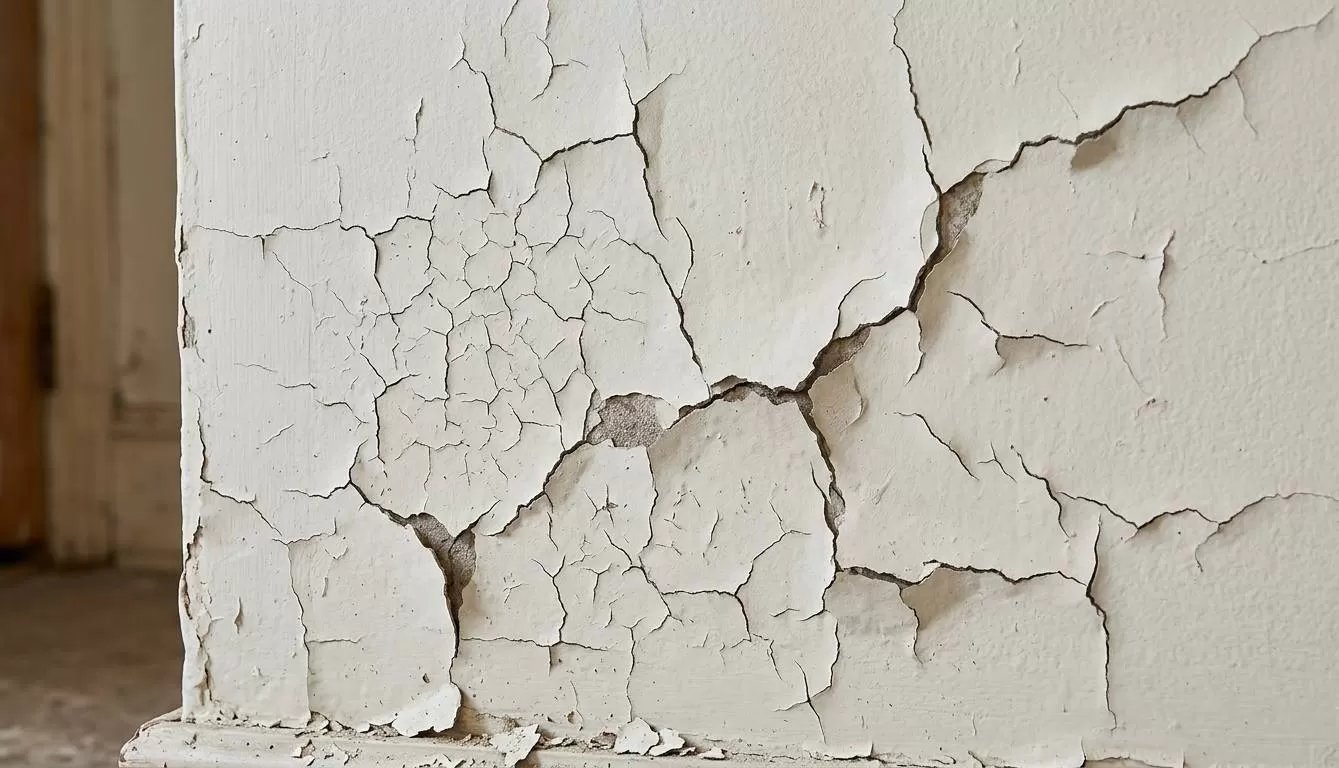
If too little curing agent is used, the mixture will not react completely, causing the surface to always be sticky, soft, difficult to reach the designed hardness and likely to peel off after a period of use. On the contrary, if you add too much hardener, many people mistakenly think that Epoxy will dry faster. In fact, the excess curing agent does not fully participate in the chemical reaction, which can cause the coating to become brittle, crack easily, reduce mechanical strength, change color or appear premature yellowing.
In many cases, the wrongly mixed Epoxy layer cannot be fixed and must be completely removed to reapply, wasting materials and time.
HOW TO MIX EPOXY PROPERLY
To achieve the best quality, first prepare a clean cup or bucket, a high-precision electronic scale and a suitable stirring device. After weighing the correct amount Epoxy resin and curing agent in the ratio specified by the manufacturer, stir well for about 3–5 minutes at a moderate speed so that the two ingredients are completely mixed.
During the stirring process, it is necessary to continuously scrape the walls and bottom of the cup because these are the places where the mixture is often not mixed evenly. After stirring, many technicians also transfer the mixture to another clean cup and stir for about another minute to reduce the risk of remaining unmixed resin or curing agent.
Stirring too vigorously can introduce many air bubbles into the mixture, affecting the surface quality after curing. Therefore, you should stir gently but for enough time to ensure the chemical reaction takes place evenly.
NOTES WHEN USING EPOXY PLASTIC
In addition to mixing ratio, ambient temperature also significantly affects the curing process. Most epoxy systems operate effectively between 20–30°C. When the temperature is too low, the reaction will proceed more slowly, while a temperature that is too high can reduce operating time and cause the mixture to freeze quickly.
Users should also mix a sufficient amount of material for each construction session, because after mixing, Epoxy can only be used for a certain period of time (Pot Life). If left too long, the mixture will heat up, thicken and become unsuitable for use.
Besides, it should be preserved Epoxy resin and curing agent in sealed packaging, placed in a dry place, away from direct sunlight and limited exposure to moisture to ensure product quality throughout the storage period.
WHY SHOULD YOU FOLLOW THE MANUFACTURER'S INSTRUCTIONS?
Each Epoxy system is researched to achieve optimal performance when using the correct mixing ratio. Complying with the manufacturer's instructions not only helps the Epoxy layer achieve the hardness, mechanical strength, adhesion and clarity as designed, but also minimizes errors such as bubbling, cracking, shrinkage or incomplete curing.
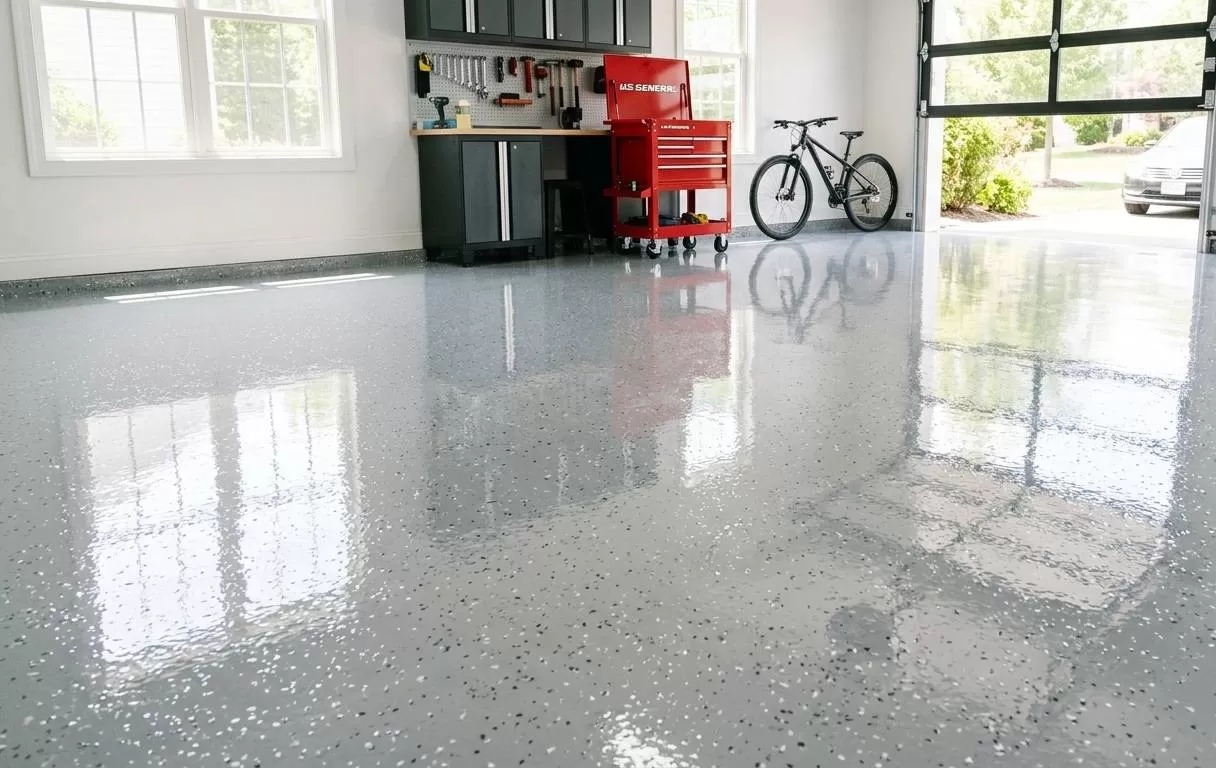
For applications requiring high quality such as Epoxy wooden tables, industrial Epoxy floors, molding, electronic components or composite materials, using electronic scales and correct mixing ratios are steps that cannot be overlooked to ensure long-term effectiveness.
Mixing ratio between Epoxy resin and substance epoxy curing is an important factor that determines the quality of the product after curing. There is no standard ratio applicable to all types of Epoxy, because each product system has its own formula prescribed by the manufacturer. Weighing the correct proportions, stirring evenly, and adhering to operating time and construction conditions will help Epoxy achieve optimal hardness, durability and aesthetics, while minimizing errors that arise during use.
>> See more Epoxy resin <<
>> See more Epoxy curing <<
>> See more Epoxy resin SM828 <<
>> See more Zinc stearate (wood paint additive) <<
MEGA VIETNAM GENERAL TRADING COMPANY LIMITED
Address: Floor 2-A2-IA20, Nam Thang Long Urban Area, Ward. Pham Van Dong, Phu Thuong Ward, City. Hanoi.
Email: contact@megavietnam.vn; Tel: (+84) 24 375 89089;
Website: megavietnam.vn; Hotline: 1800.577.728; Zalo: 0971.023.523