WHAT IS FSC CERTIFICATE?
FSC (Forest Stewardship Council) is an international non-profit organization founded in 1993 to promote sustainable forest management globally. FSC certification is granted to forests and supply chains that meet strict standards for environmental protection, worker rights, local communities and economic efficiency.
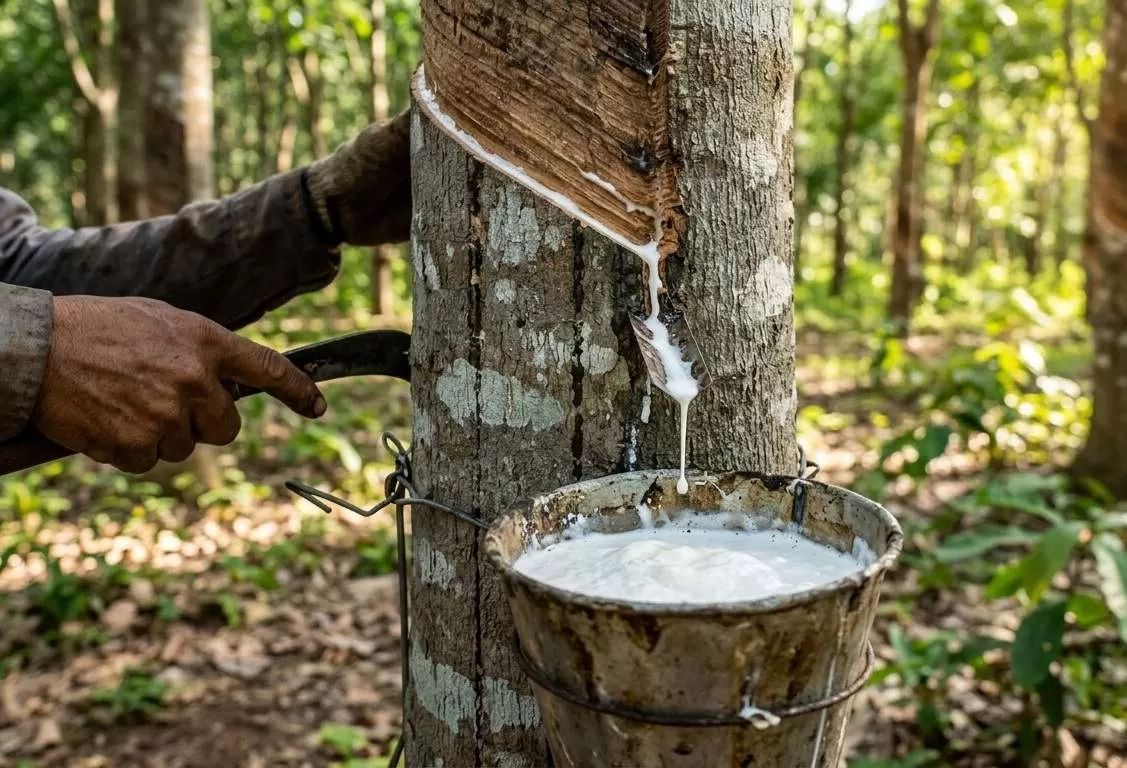
For the natural rubber industry, FSC applies not only to timber forests but also to sustainably managed rubber plantations. This means that rubber extracted from FSC-certified areas has clear origins, limiting negative impacts on the ecosystem and ensuring long-term development principles.
WHY DOES THE RUBBER INDUSTRY NEED FSC CERTIFICATE?
Over the past many years, the world's demand for natural rubber has continuously increased, leading to pressure to expand rubber growing areas in many countries. If development is not properly managed, the process of converting forest land to rubber plantations can cause biodiversity loss, water resource depletion and greenhouse gas emissions.
FSC certification is considered a solution to help balance economic development and environmental protection. Certified plantations must comply with strict requirements for conserving natural resources, properly using land, protecting native flora and fauna, and maintaining the ecological value of the area.
KEY PRINCIPLES OF FSC CERTIFICATION FOR RUBBER
To achieve FSC certification, rubber plantation management units must meet many criteria related to environment, society and governance. Production activities need to comply with the law, protect workers' rights, and respect the rights of local communities and indigenous people, if any.
In addition, businesses must develop long-term resource management plans, limit the use of toxic chemicals, control soil erosion, protect water sources and maintain areas with high conservation value. The rubber latex extraction process must also be carried out in a method that does not reduce the tree's ability to grow.
CHAIN OF CUSTODY (COC)
One of the highlights of the FSC system is Chain of Custody (CoC) certification. This certification helps track raw materials from plantations, processing facilities, manufacturers, distributors to the final product.
Thanks to this traceability system, businesses and consumers can determine that rubber materials actually come from FSC-certified sources, limiting the risk of mixing with materials of unknown origin.
BENEFITS OF FSC CERTIFICATE FOR BUSINESSES
Using FSC-certified rubber materials brings many practical benefits. First of all, businesses can enhance their brand reputation when they demonstrate their commitment to sustainable development and environmental responsibility.
In addition, many markets such as Europe, North America, Japan and some multinational corporations are prioritizing or requiring the use of certified sustainable materials in the supply chain. This helps businesses increase their ability to reach international customers, expand export opportunities and improve competitiveness.
In the context of regulations on anti-deforestation and traceability being increasingly tightened, FSC certification also helps businesses proactively adapt to new market requirements.
WHAT DO CONSUMERS BENEFIT FROM PRODUCTS USING FSC RUBBER?
For consumers, products with FSC-certified rubber materials bring peace of mind about transparency and origin. Choosing these products also helps encourage businesses to invest in responsible production models, reduce pressure on forest resources and protect biodiversity.
Although FSC certification is not a certification of the technical quality of a product, it is a testament to the fact that materials are produced according to internationally recognized sustainable standards.
RELATIONSHIP BETWEEN FSC AND THE MATERIALS, PAINTING AND ADHESIVE INDUSTRY
In the construction materials and interior finishing industries, FSC certification is increasingly of interest. Manufacturers of furniture, plywood, wooden floors, rubber gloves, rubber mattresses, technical rubber products or composite materials tend to prioritize certified raw materials to meet the requirements of international customers.
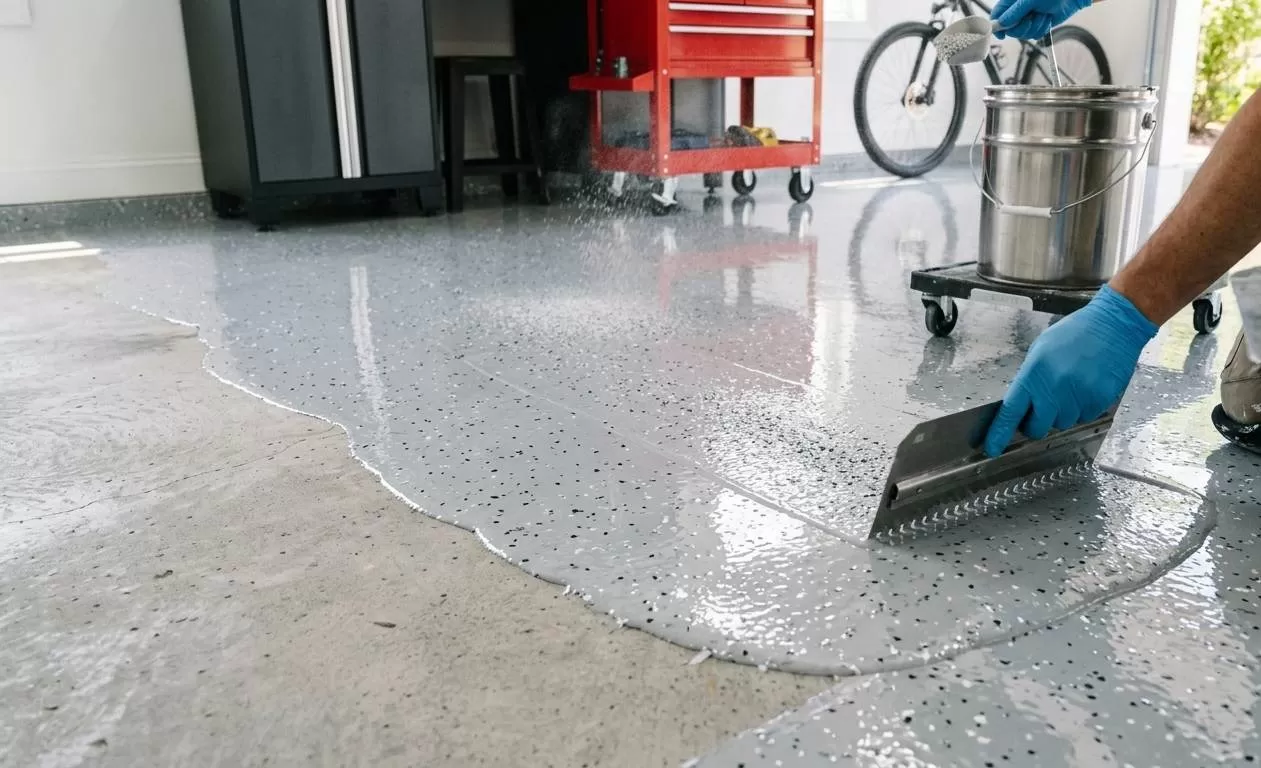
For the paint and glue industry, although the paint product itself is not FSC certified just because it contains rubber ingredients, businesses that produce or construct on FSC-certified wood, rubber or forest-derived products often easily participate in green construction projects, works certified by LEED, BREEAM or other sustainable development standards.
TRENDS OF USING FSC RUBBER IN THE FUTURE
Climate change, the need to reduce carbon emissions and circular economy development policies are driving demand for certified sustainable materials globally. Many large corporations in the fields of automobiles, medical devices, consumer goods, furniture and construction have included sustainable rubber materials in their procurement strategies.
In the coming years, FSC certification is forecast to continue to play an important role in improving the transparency of the natural rubber supply chain, while also creating motivation for businesses to invest in environmentally friendly and socially responsible production models.
FSC sustainable rubber certification is not only a symbol of responsible resource management but also an important competitive advantage for businesses in the context of the global market increasingly attaching importance to sustainable development. Using FSC-certified rubber materials helps improve brand reputation, meet export requirements, increase supply chain transparency and contribute to protecting natural resources for future generations. This is an inevitable trend for the rubber industry as well as many modern manufacturing and construction fields.
>> See more Promote vulcanization <<
>> See more Vulcanizing agent <<
>> See more Epoxy resin <<
MEGA VIETNAM GENERAL TRADING COMPANY LIMITED
Address: Floor 2-A2-IA20, Nam Thang Long Urban Area, Ward. Pham Van Dong, Phu Thuong Ward, City. Hanoi.
Email: contact@megavietnam.vn; Tel: (+84) 24 375 89089;
Website: megavietnam.vn; Hotline: 1800.577.728; Zalo: 0971.023.523