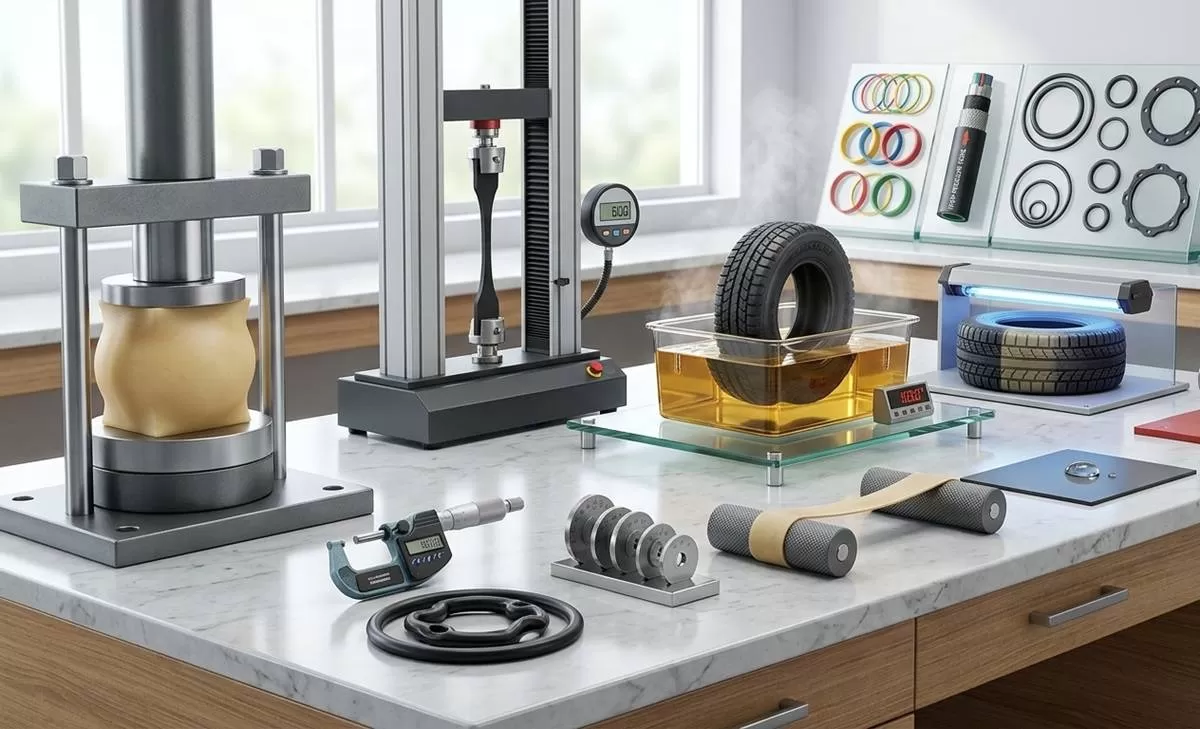
WHY DOES RUBBER NEED TO MEET TECHNICAL STANDARDS?
During use, rubber products are often affected simultaneously by mechanical forces, temperature, light, ozone, grease, chemicals and harsh environmental conditions. If the required technical standards are not met, the material can quickly crack, age, lose elasticity or become damaged, reducing product life and affecting operational safety.
Technical standards help manufacturers objectively evaluate material quality, while creating a basis for controlling uniformity between production batches and meeting the requirements of domestic and international customers.
TENSILE STRENGTH
Tensile strength is one of the most important criteria for rubber.
This parameter represents the material's ability to withstand tensile force before breaking. Products such as tires, conveyor belts, belts, rubber hoses or anti-vibration pillows all require high tensile strength to ensure the ability to work for long periods of time under high loads.
Tensile strength is typically determined according to standard test methods such as ISO 37 or ASTM D412.
Elongation AT BREAK (ELONGATION AT BREAK)
Besides tensile strength, stretchability is also a very important criterion.
Elongation at break reflects the rubber's ability to deform before failure occurs. Materials with high elongation often absorb energy better, making them suitable for applications subject to vibration or continuous deformation.
HARDNESS
Hardness determines the soft or hard feel of a rubber product and directly affects its ability to seal, resist vibration, and withstand load.
In the rubber industry, hardness is often measured on the Shore A scale for soft rubbers and Shore D for harder materials. Depending on the application, the manufacturer will choose the appropriate hardness level to optimize performance.
RESISTANCE TO Abrasion
Products such as tires, industrial wheels, conveyor belts or shoe soles are often subject to great friction.
Therefore, the material needs to have good wear resistance to reduce the wear rate, prolong life and reduce maintenance costs. Abrasion resistance is often evaluated according to standards such as ISO 4649 or ASTM D5963.
TEAR STRENGTH
For products that are at risk of cuts or are subjected to concentrated loads, tear resistance is a very important criterion.
A material with good tear resistance will limit the spread of small cracks, thereby improving the durability and safety of the product during use.
FATIGUE RESISTANCE AND RESILIENCE
Many rubber products are continuously subjected to compression, tension or bending for millions of cycles throughout their service life.
Therefore, the ability to resist fatigue and maintain elasticity is a decisive factor in the longevity of products such as anti-vibration pillows, shock absorbers, rubber springs and tires.
HEAT RESISTANCE
High temperatures can change the polymer structure and accelerate the aging process of rubber.
Depending on the working environment, the material needs to maintain its mechanical properties after long periods of exposure to heat. Technical rubbers such as EPDM, Silicone or FKM are often chosen for applications requiring high heat resistance.
RESISTANT TO OIL AND CHEMICAL
In the automotive, petroleum or chemical industries, rubber products are often exposed to oils, fuels, solvents or acids and alkalis.
The material needs to meet the requirements for resistance to swelling, resistance to deterioration in mechanical properties and maintaining tightness after long periods of use. Rubber types such as NBR or FKM are often used for these environments.
ANTI-AGING AND OZONE RESISTANCE
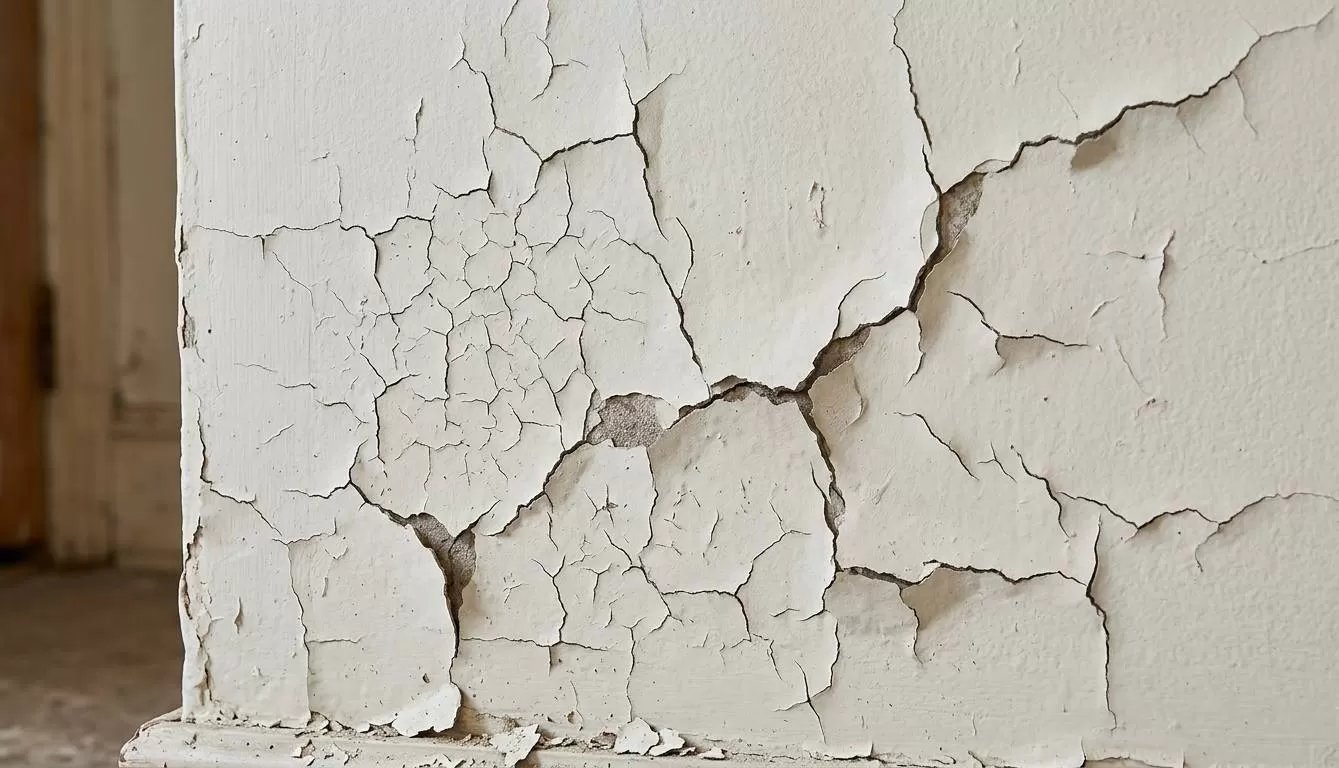
Sunlight, UV rays and ozone are the main factors that cause surface cracking and reduce the lifespan of rubber.
Therefore, many outdoor products need to add additive systems such as antioxidants, anti-ozone agents and protective waxes to maintain long-term mechanical properties.
INTERNATIONAL STANDARDS OFTEN APPLY
In addition to physical and mechanical criteria, many rubber products must also comply with international standard systems to meet the requirements of each industry.
Some commonly applied standards include:
- ISO: International standard system on testing methods and technical requirements for rubber materials.
- ASTM: Standards of the American Society for Testing and Materials, widely used in the rubber and polymer industry.
- DIN: German industrial standard, popular in the mechanical and automotive fields.
- JIS: Japanese industrial standard, often applied to technical rubber components.
- REACH and RoHS: Regulations on chemicals and restrictions on hazardous substances in products, especially important for exports to the European market.
THE ROLE OF RAW MATERIALS AND ADDITIVES IN MEETING TECHNICAL STANDARDS
To meet increasingly high technical requirements, choosing the right raw materials and additive systems is a key factor.
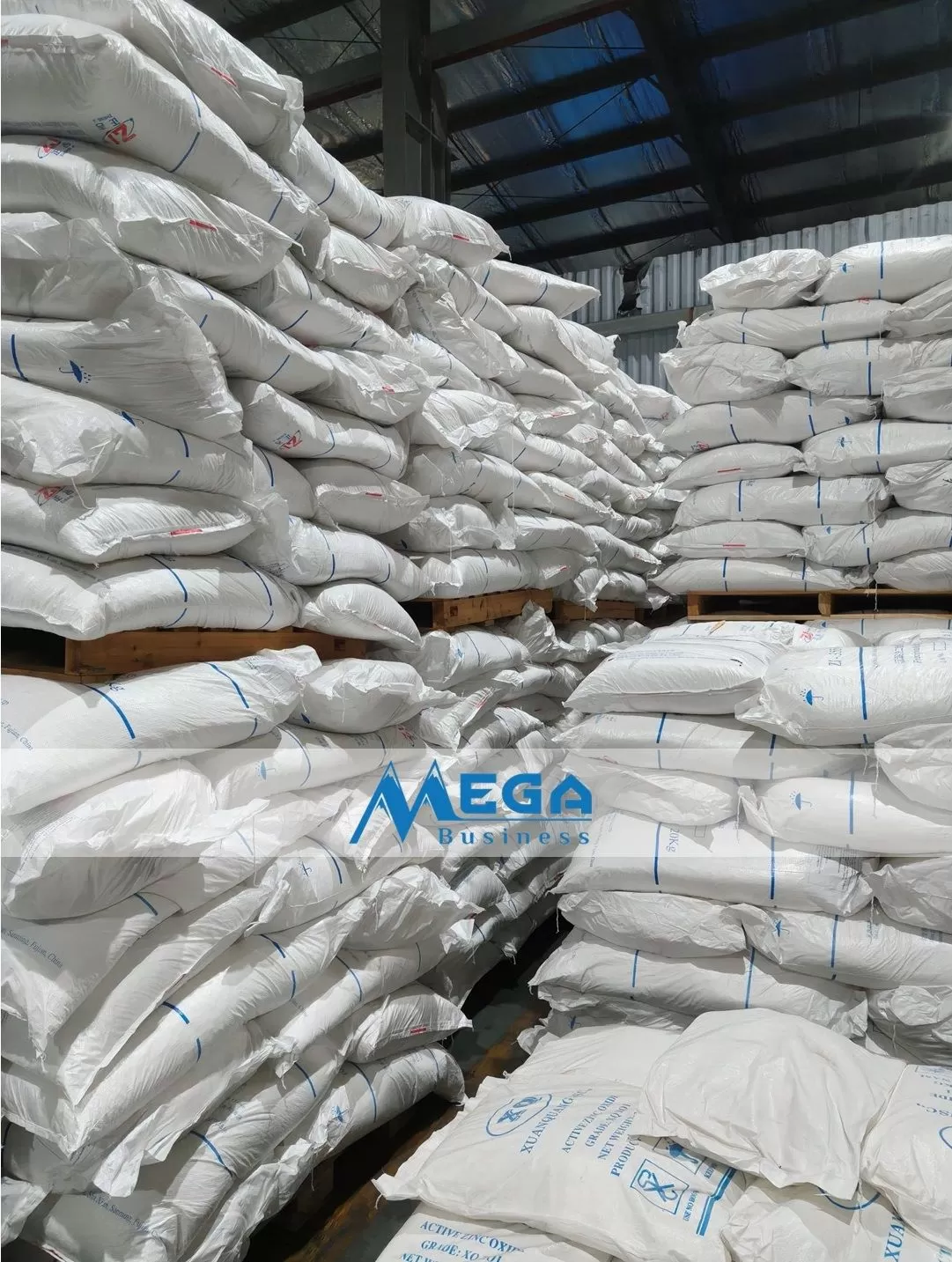
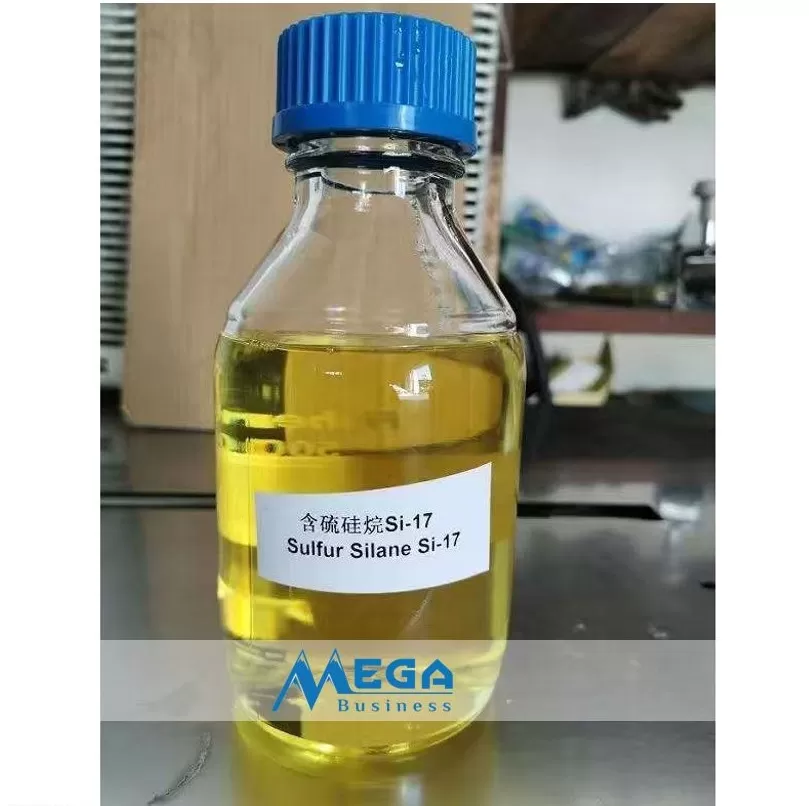
Ingredients such as black coal, silica, antioxidant, anti-ozone agent, substance vulcanization promotion, plasticizer and heat stabilizers all directly affect the mechanical strength, aging resistance and longevity of the product. Optimizing the mixing formula not only helps meet technical standards but also improves production efficiency and reduces costs in the long term.
RUBBER STANDARDS DEVELOPMENT TREND
Today, the rubber industry is moving towards increasingly stringent standards for performance, durability and sustainability. In addition to traditional physical and mechanical criteria, many customers also require materials with low hazardous substance content, good recyclability and compliance with environmental regulations.
At the same time, the application of modern testing technologies and automatic quality control systems also helps businesses improve accuracy in product quality assessment.
To ensure quality and reliability during use, rubber needs to meet many different technical standards, from tensile strength, elongation, hardness, abrasion resistance to heat resistance, oil resistance, anti-aging and requirements according to international standards.
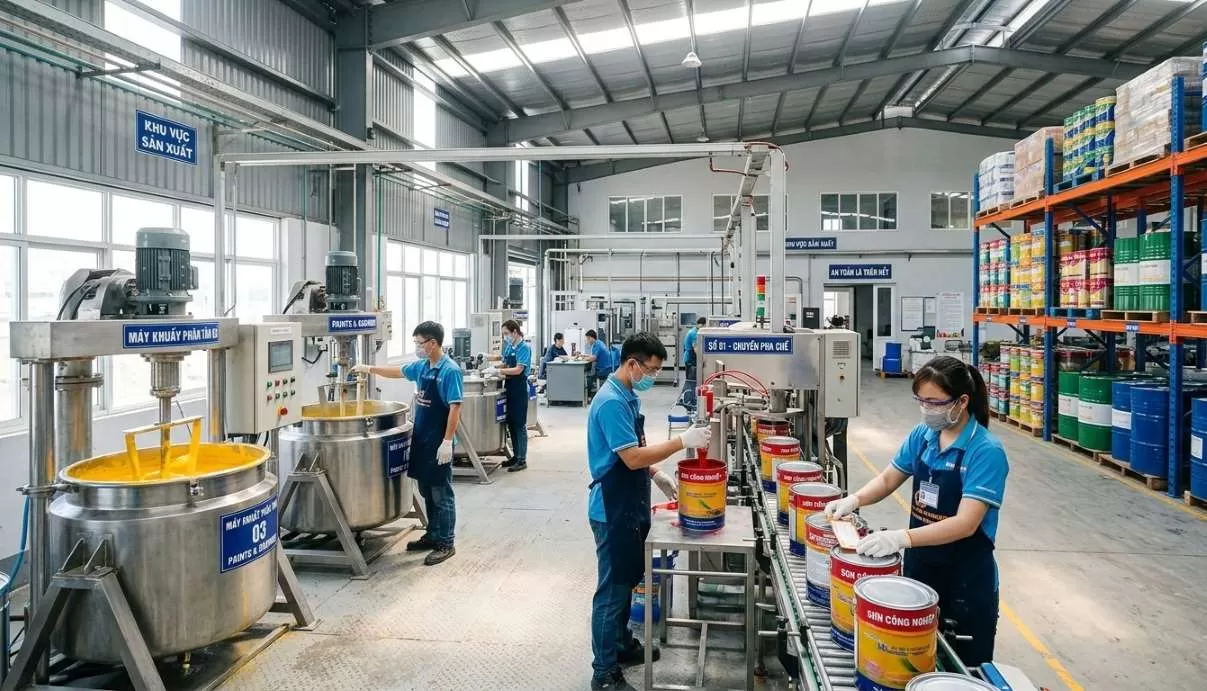
Choosing the right raw materials, building a reasonable mixing formula and strictly controlling the production process will help create rubber products with high quality, long lifespan and meet the increasingly strict requirements of the market.
>> See more Promote vulcanization <<
>> See more Additives for rubber <<
>> See more Epoxy resin <<
MEGA VIETNAM GENERAL TRADING COMPANY LIMITED
Address: Floor 2-A2-IA20, Nam Thang Long Urban Area, Ward. Pham Van Dong, Phu Thuong Ward, City. Hanoi.
Email: contact@megavietnam.vn; Tel: (+84) 24 375 89089;
Website: megavietnam.vn; Hotline: 1800.577.728; Zalo: 0971.023.523