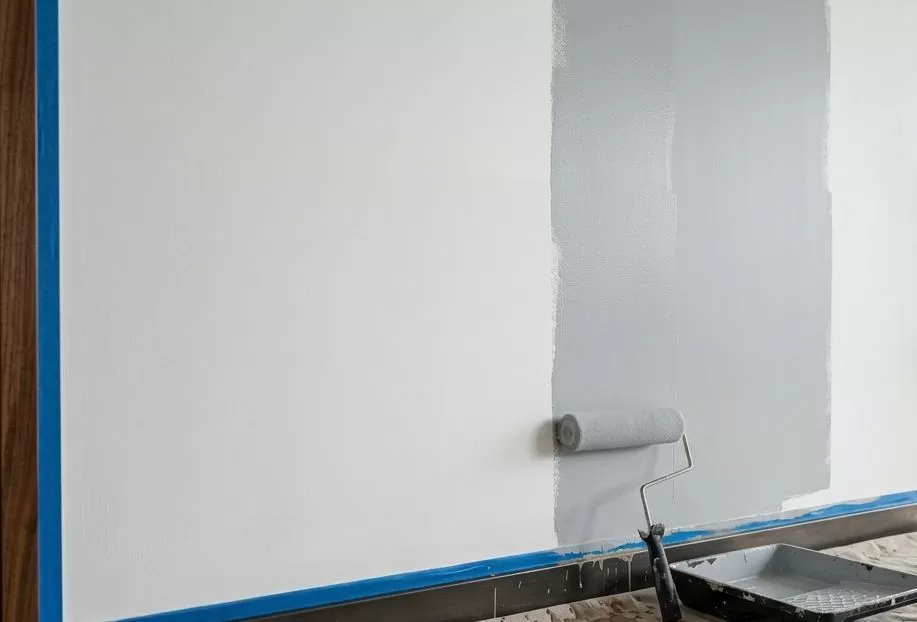
PAINTING PAINT COATING
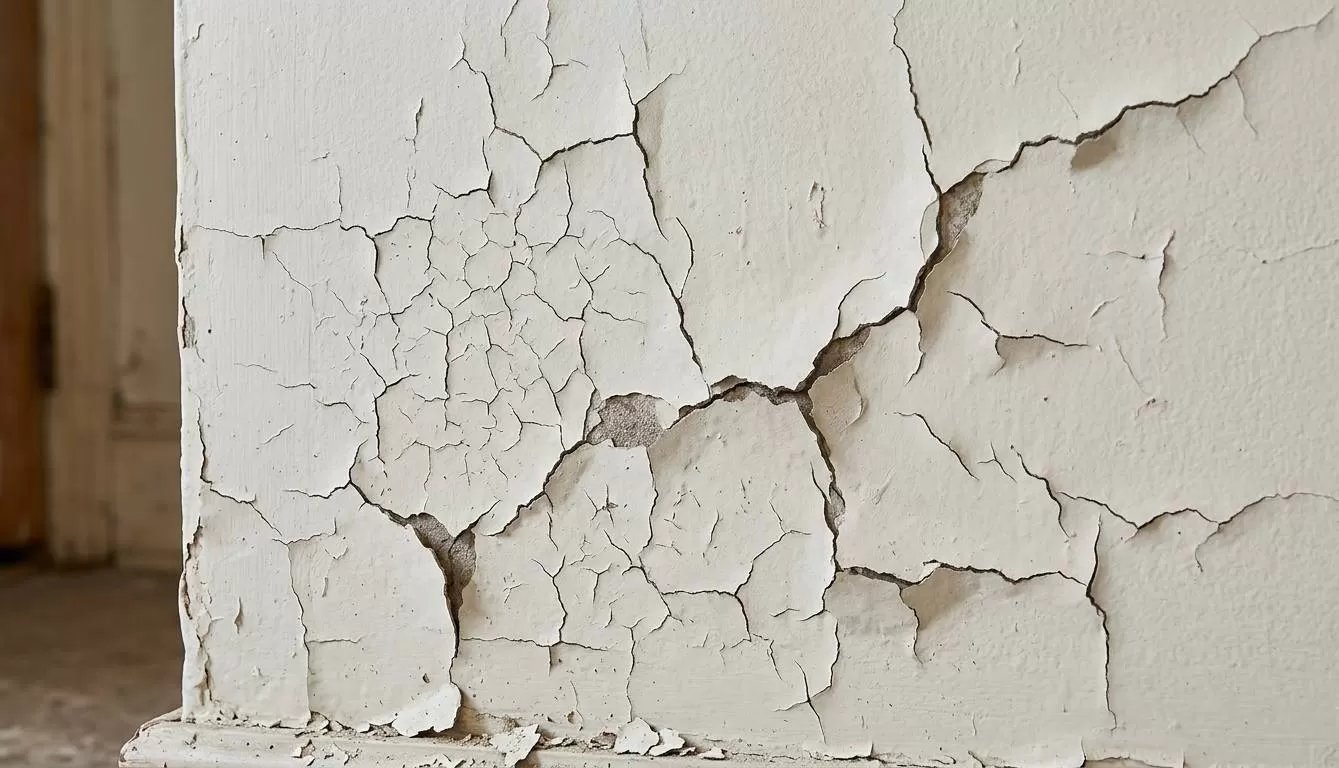
Peeling is one of the most common mistakes when painting a house. This phenomenon often appears in the form of patches of paint separating from the wall surface or paint peeling off from the primer layer. The main cause is that the surface has not been cleaned of dirt, grease or the old paint layer has degraded but was not treated before applying new paint. In addition, construction on damp walls, not using primer or using poor quality products also reduces the adhesion of the paint layer.
To fix it, it is necessary to scrape off all peeling paint, clean the surface, let the wall dry completely before priming and painting according to the correct procedure. If the cause comes from water seepage, it is necessary to thoroughly waterproof it before repainting.
PAINT IS BOLD
Blistering is the phenomenon of air bubbles or patches of paint emerging from the surface. This is a common error in areas frequently exposed to water or with high humidity such as toilets, balconies and outdoor walls.
The main reason is that moisture escapes from inside the wall but is prevented by the paint layer, creating pressure that causes the paint layer to lift. In addition, painting when the wall has not reached standard dryness or working in extremely hot weather can also cause this phenomenon.
An effective solution is waterproofing treatment, ensuring wall humidity meets requirements before construction and choosing a paint system with good moisture resistance for special areas.
THE PAINTING COLOR IS UNCERTAIN OR IT IS SPREADING
After completion, many projects have uneven paint colors, dark spots, light spots, or unsightly streaks. The cause may be due to not stirring the paint thoroughly, mixing the paint at the wrong ratio, using different production batches or applying unevenly.
In addition, painting the next layer before the previous layer is not completely dry also makes it difficult for the color to be uniform. In some cases, light shining on the surface also reveals uneven construction locations.
To avoid this phenomenon, you should use paint from the same production batch if possible, mix according to the manufacturer's instructions, stir well before applying and paint continuously on the same wall to limit color differences.
BIRD'S FEET CRACKS ON THE PAINT SURFACE
Small spider web-like cracks often appear after a period of use and are called crow's feet cracks. This is a sign that the underlying paint or putty layer is being stressed beyond its resilience.
The cause may be because the putty layer is too thick, using inappropriate materials, shrinkage of the construction structure or construction in too hot weather causing the paint layer to dry too quickly.
For small cracks, you can sand, treat the surface and then repaint. If the crack originates from the wall structure, the cause needs to be treated before completing the new paint layer.
THE WALL IS MOLDED AFTER PAINTING
Moss and mold not only affect aesthetics but also affect indoor air quality. Areas with high humidity, lack of sunlight or frequent water seepage are favorable environments for mold to grow.
The main cause comes from ineffective waterproofing systems, rainwater seeping through walls or condensation in the house.
To limit this situation, it is necessary to treat waterproofing from the beginning, improve ventilation, use specialized anti-mold paint lines and regularly clean areas that easily accumulate moisture.
STAIN OR WHITE SALT APPEARANCE ON THE WALL
Many projects after painting have white, powder-like patches or yellow stains. This is the phenomenon of saltation or water seepage from inside the wall structure.
When water dissolves mineral salts in cement and then moves to the surface, the water evaporates, leaving behind white salt crystals. If the condition persists, the paint layer may peel off over time.
The solution is to treat the water source that causes seepage, clean the salt layer with specialized solutions and only repaint when the surface is completely dry.
PAINT IS BLOODING, STRAWING OR RUNNING
This is a common mistake when the constructor paints too thickly at once or mixes the paint too thinly. When the paint layer has not yet dried, gravity will pull the paint down, creating long streaks on the wall.
To fix it, it is necessary to apply many thin layers instead of one too thick layer, use the correct amount of water according to instructions and control the paint rolling or spraying speed appropriately.
PAINT IS CHALLENGED
After a period of use, when you touch the wall surface, you can see a layer of fine powder clinging to your hand. This is a chalking phenomenon, which often occurs with low-quality paints or paint layers exposed to long-term effects of UV rays and sun and rain.
Using exterior paint lines with good UV resistance and applying the correct thickness will help prolong the life of the paint layer.
THE PAINT IS WRINKLED OR LOADED
Some surfaces appear wrinkled or have an uneven surface after drying. The cause is often due to the outer layer of paint drying too quickly while the layer underneath has not yet dried or because the application is too thick.
Contractors need to comply with the waiting time between coats of paint, avoid painting under strong sunlight or too high temperatures, and ensure each coat of paint has the appropriate thickness.
HOW TO LIMIT MISTAKES WHEN PAINTING YOUR HOUSE?
To have a durable and beautiful project, the most important thing is to prepare the surface thoroughly before painting. Walls need to be cleaned, cracks treated, waterproofed if necessary and ensure humidity meets standards. In addition, choosing a uniform paint system including putty, primer and topcoat from reputable brands will help increase the adhesion and longevity of the paint layer.
In addition to the quality of materials, the skills of the construction team also play a decisive role. Applying the correct construction process, adhering to the drying time between layers, using the right tools and doing it in the right weather conditions will minimize errors. At the same time, homeowners should also periodically check the condition of the wall to detect early signs of water seepage or deterioration, thereby promptly handling it before affecting the entire paint layer.
Common errors when painting a house such as peeling, blistering, cracking, color fading, mold or chalking all have specific causes and can be completely prevented if the right materials are chosen, the surface is carefully prepared and applied with the right techniques. Investing in a quality painting process from the beginning not only helps the project have lasting beauty but also significantly reduces maintenance and painting costs over many years of use.
>> See more Zinc stearate (wood paint additive) <<
>> See more Cures the paint <<
>> See more Epoxy resin <<
MEGA VIETNAM GENERAL TRADING COMPANY LIMITED
Address: Floor 2-A2-IA20, Nam Thang Long Urban Area, Ward. Pham Van Dong, Phu Thuong Ward, City. Hanoi.
Email: contact@megavietnam.vn; Tel: (+84) 24 375 89089;
Website: megavietnam.vn; Hotline: 1800.577.728; Zalo: 0971.023.523