When completing projects that require high standards such as showrooms, factories, hospital clean rooms or shopping centers, design consultants and contractors are always faced with a difficult problem: Should we install traditional ceramic tiles or choose a self-leveling floor paint solution?
Each option possesses unique physical and mechanical characteristics, which directly determine the durability and aesthetics of the entire project. From a materials perspective, this difference lies in the surface bond structure. The article below will put these two solutions on the technical scale in the most objective way, and analyze the core role of plastic materials for floor paint in mastering the quality of seamless poured paint films.
1. Analysis table of technical advantages and disadvantages: Self-leveling floor paint with traditional ceramic tiles
To have the most objective and intermediate view before making material plans, we need to fairly evaluate both the advantages and inherent limitations of these two floor systems from the perspective of actual construction:
| Material system | Core advantages (Plus points) | Disadvantages & Limitations (Minus Points) |
|---|---|---|
| Self-leveling floor paint (Epoxy resin base) | Absolutely seamless: The surface is 100% free of grout lines, completely eliminating the residence of bacteria and dust, meeting medical and food clean room standards. Chemical & Mechanical Resistance: The ability to withstand friction and dynamic loads from forklifts is very good thanks to the highly elastic polymer matrix. Aesthetic customization: Easily mix colors, create artistic splash effects, Metallic according to specific requirements. | Extremely strict foundation requirements: Can only be constructed on grade concrete (from M250 or higher), with perfect reverse waterproofing treatment and floor humidity below 5%. Weak concrete or high humidity will definitely cause peeling errors. Complex construction techniques: Requires highly skilled workers and specialized grinding and vacuuming equipment. Just make a mistake in the ratio of mixing resin and curing agent or leave behind volatile impurities and the surface will immediately become porous. |
| Traditional ceramic tiles (Firing material) | Ultimate Weather & Humidity Resistance: Not affected by background humidity or reverse moisture infiltration from the ground. The ability to withstand outdoor UV rays is superior to Epoxy-based resins. Very high surface durability: The industrial fired enamel layer has great surface hardness and is more resistant to scratches from sand and footwear than the liquid plastic film system. Massive construction, low cost: The tiling process is familiar to all construction teams, does not depend on high-tech machinery, and costs of materials and labor are more optimal in small areas. | Tile grout maintenance requirements: The grout system (tile interstices) is always a fatal weakness; They are susceptible to water absorption, black stains, cracking and bacteria accumulation after a period of operation. Risk of local cracking: If the technique of rolling the mortar lining the bottom is uneven, creating gaps (cracks), the tiles can easily crack when heavy objects fall on them or trucks pass by. Poor dynamic load: The cement mortar bond is hard and brittle, not suitable for areas with continuous movement of heavy industrial forklifts. |
2. Resolving the disadvantages of self-leveling paint systems: Perspective from the original plastic material
Looking at the analysis table above, it is clear that ceramic tiles are still the "king" in premises with high humidity or where economic and mass requirements are needed. However, for projects that require the use of self-leveling paint to achieve cleanliness and withstand dynamic loads, paint manufacturers and construction units must directly face the two biggest disadvantages of this system: The risk of peeling due to the concrete floor and the error of surface porosity when pouring the floor.
To overcome those inherent weaknesses, the secret lies in the quality of the original input plastic matrix:
Lock the foundation tightly – Eliminate the risk of peeling
If ceramic tiles are bonded with hard and brittle cement mortar, self-leveling paint will adhere based on the chemical bonding force of the matrix. Epoxy resin. To compensate for the disadvantages of the paint system, the primer must be able to penetrate deeply, penetrating into the capillaries of the concrete to create strong mechanical adhesion. This requires manufacturers to use a standard liquid resin base with a standard Epoxy equivalent weight (EEW) of 184 - 190 g/eq, helping the paint film not to delaminate under continuous cutting pressure from forklift wheels.
Control impurities – Eliminate Pinholes
The process of pouring self-leveling paint at the construction site is susceptible to errors if air bubbles produced during stirring and dispersion do not have time to escape before the paint film cures (curing). To provide maximum support to construction workers and minimize this technical risk, the choice of line resin for floor paint Extremely low volatile matter content and stable viscosity are prerequisites. Pure resin helps the paint film have a smooth self-leveling flow, completely self-rupturing air bubbles, providing a smooth, mirror-like surface without the need for overly complicated additive treatments.
3. Epoxy resin YD 128 and SM828: Optimal material pair for standard floor paint formula
To accompany paint manufacturing businesses and contractors in optimizing formulas and thoroughly solving the above technical problems, Mega Vietnam is currently supplying two lines of pure standard liquid plastic products - foundation materials for high-quality floor paint systems:
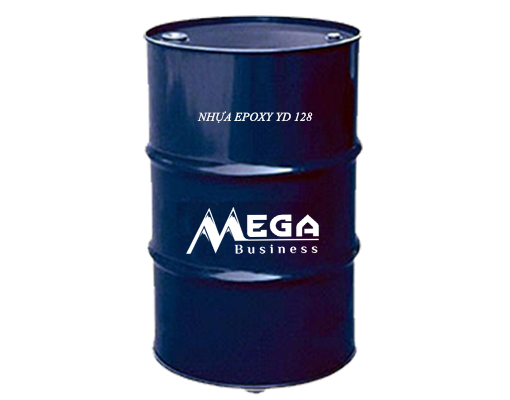
YD 128 Epoxy Resin – Guarantees the stability of high-quality paint film
For transparent primers that need to reveal artistic concrete floors or self-leveling coatings that require precise color rendering, YD 128 epoxy resin is the top choice of R&D engineers.
Outstanding features: Possessing a concentrated viscosity range (11,500 - 13,500 cps at 25°C) and absolute light color index (≤ 0.5), this resin code helps the paint film have ideal transparency, retains color well, does not tarnish and helps effect color particles move freely to create the most perfect paint film structure.
Epoxy resin SM828 – Volatile control solution, cost optimization
In the segment of optimizing production costs and improving project bidding capacity, Epoxy resin SM828 is a material line that is extremely popular with factories.
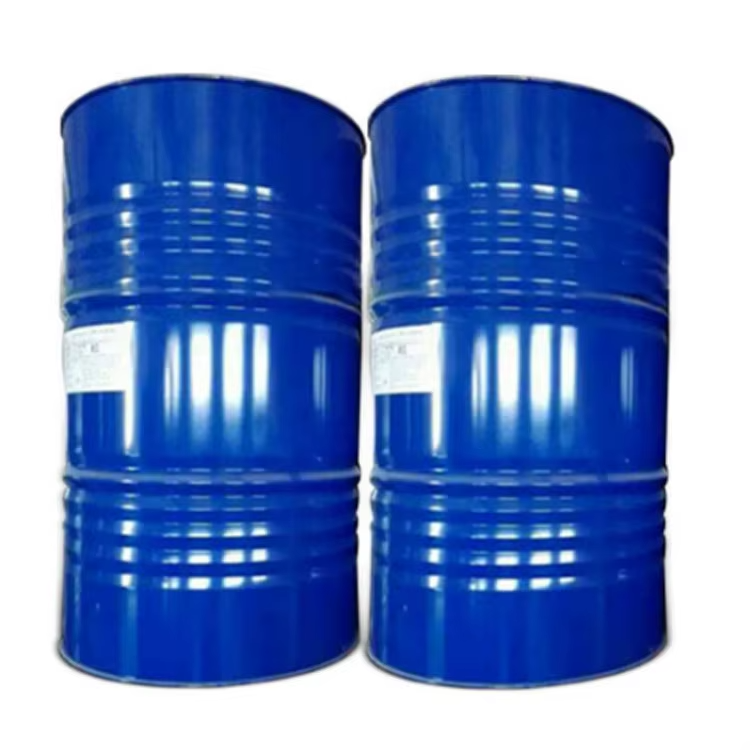
Outstanding features: With volatile substance content strictly controlled at an extremely low level (≤ 0.18%), SM828 helps minimize film shrinkage during the curing process. The smooth self-leveling mechanism and superior self-foaming ability of this plastic code are the keys to helping contractors create an absolutely smooth surface, competing directly with the gloss of the highest quality ceramic tiles.
4. Reputable address for supplying standard plastic materials to the industry floor paint
In the supply chain of B2B paint production materials, maintaining uniformity of technical indicators across each shipment is a prerequisite. To ensure that the quality of finished paint films always meets stable standards, choosing suppliers with official distribution capacity, full quality certification and clear technical specifications like Mega Vietnam is a safe solution for businesses.
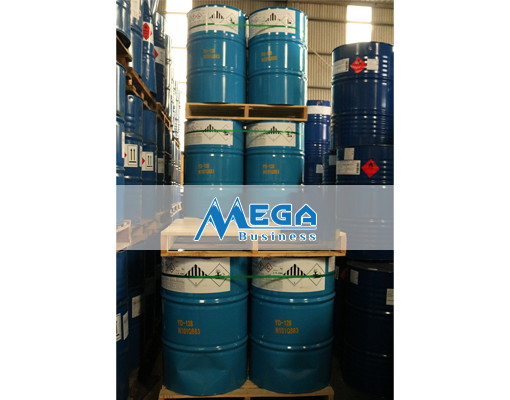
Currently, both standard liquid plastic product codes YD128 and SM828 are readily distributed in standard drum or full container packaging, flexibly responding to the production scale of each factory and the floor pouring schedule of every project. Businesses and partners can contact Mega Vietnam directly to receive detailed information and update the latest preferential policies for these two material lines.