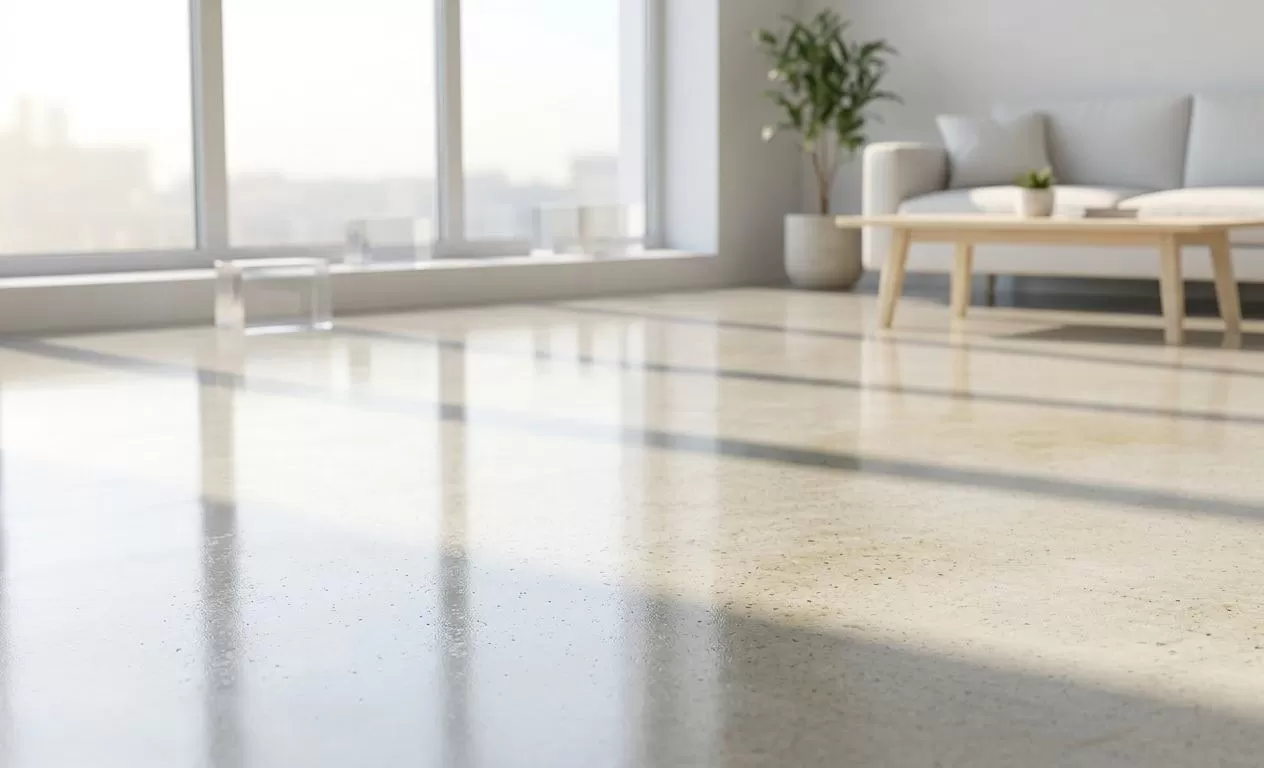
When exposed to direct sunlight for long periods of time, especially UV-A and UV-B rays, the polymer structure of epoxy begins to undergo photodegradation. The chemical bonds in the polymer network are gradually broken, forming free radicals, changing the color, gloss and mechanical properties of the material.
This is why most epoxy paint systems are only recommended for indoor use or are coated with an additional layer of UV-resistant paint such as polyurethane (PU), polyaspartic or fluoropolymer when applied outdoors.
WHAT HAPPENS WHEN EPOXY RESIN IS EXPOSED TO SUNLIGHT?
The most noticeable phenomenon is yellowing. Initially, epoxy resin Transparent can turn pale yellow, then dark yellow or amber with continued exposure to sunlight. The degree of discoloration depends on the type of plastic, production formula, sun exposure time and UV intensity.
For products that require high transparency such as epoxy tables, resin paintings, decorations or art coatings, yellowing is often the issue that concerns users the most. Even epoxy types advertised as "UV Resistant" can only slow down this process but cannot completely eliminate it.
After the discoloration stage, the epoxy surface begins to lose its gloss. Oxidation reactions under the influence of UV rays cause the surface layer to become dull, reduce its ability to reflect light and no longer retain its original transparency.
If exposure continues for months or years, the surface layer may develop chalking. When wiping with hands, the user will see a layer of fine white or light yellow powder clinging to the surface. This is a sign that the outermost polymer layer has decomposed.
DOES LIGHT REDUCE THE DURABILITY OF EPOXY?
The answer is yes, but the speed depends on the exposure time and environmental conditions.
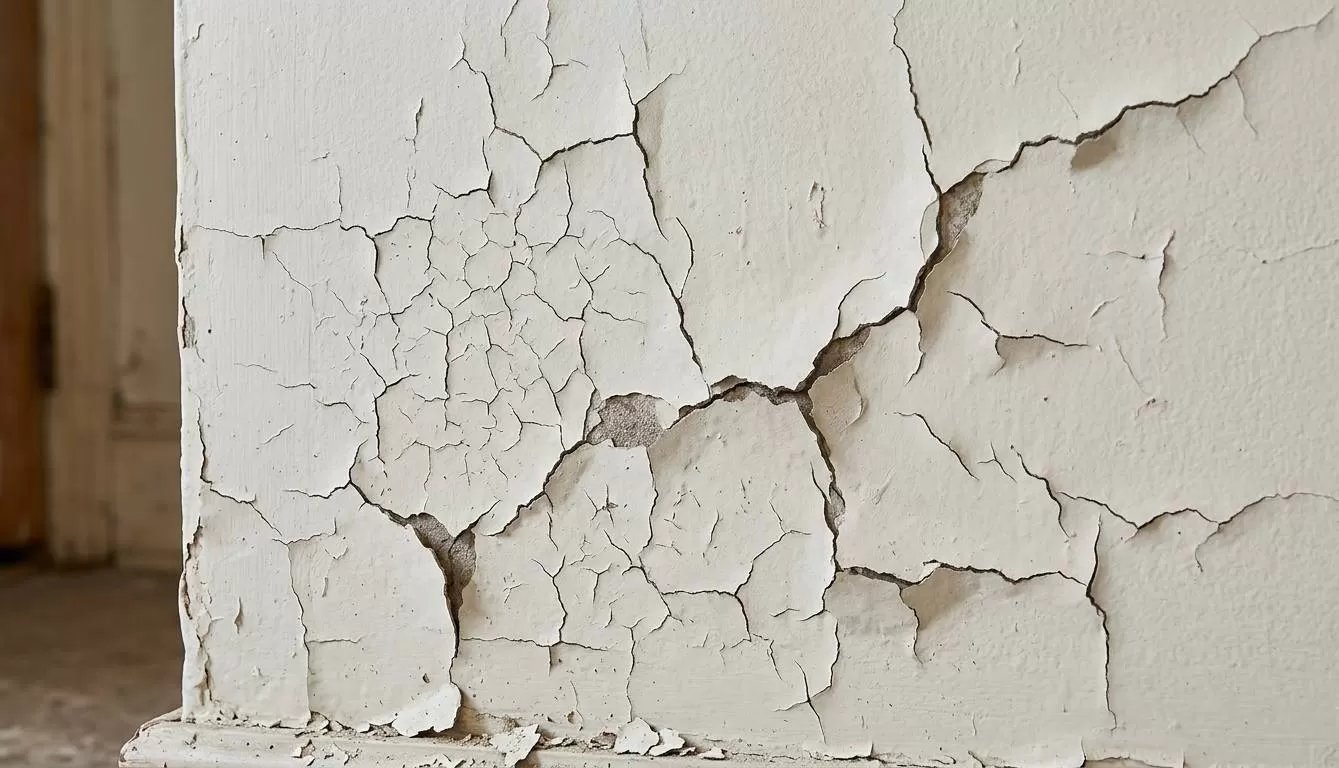
In the early stages, the effects are mainly cosmetic such as discoloration or loss of gloss, while structural durability has not changed significantly. However, as the photoaging process continues, the polymer bonds continue to be severed, causing the material to lose its hardness, impact resistance, and adhesion.
In environments with high solar radiation intensity, high temperature and constantly changing humidity, degradation occurs faster. Repeated hot-cold cycles also create stress in the coating, increasing the risk of small cracks appearing on the surface.
For epoxy paint used on outdoor concrete, the phenomena of discoloration, chalking and loss of gloss often appear before the coating completely loses its protective function.
WHY DO UV RAYS STRONGLY AFFECT EPOXY?
Unlike visible light, ultraviolet rays carry much higher energy. When irradiated onto a polymer material, this energy is enough to break some of the chemical bonds in the cured epoxy network.
This process generates highly reactive free radicals. Free radicals continue to react with oxygen in the air, forming an oxidation chain reaction that causes the material to age faster. This mechanism causes epoxy to change color, become brittle and reduce its lifespan if no protective measures are taken.
This is also the reason why many material durability testing standards use an accelerated UV irradiation chamber (UV Weathering Test) to simulate the aging process for many years in just a few hundred or a few thousand hours of testing.
IS UNUSED EPOXY RESIN AFFECTED BY LIGHT?
Yes. Although not mixed with curing agent, epoxy resin can still be affected if stored in direct sunlight for long periods of time.
High temperatures combined with UV rays can cause plastic to change color, increase viscosity, reduce stability and in some cases shorten storage time. Therefore, manufacturers often recommend storing epoxy resin in sealed packaging, placed in a dry place, away from direct sunlight and maintaining a stable temperature, usually in the range of 15–30°C depending on the type of product.
ARE ALL TYPES OF EPOXY EASY TO YELLOW?
Not quite. The level of UV resistance depends on the chemical composition of each epoxy system.
Epoxy types that use cycloaliphatic resin or are supplemented with UV absorbers (UV Absorber) and light stabilizers (HALS - Hindered Amine Light Stabilizers) often maintain color better than regular epoxy. However, even high-end formulas only prolong anti-aging time and cannot permanently protect against UV rays.
That's why outdoor projects that require aesthetics and longevity often combine epoxy paint as a base layer with an outer polyurethane or polyaspartic coating to increase UV resistance, prevent discoloration and maintain long-lasting shine.
HOW TO LIMIT THE IMPACT OF LIGHT ON EPOXY?
The most effective solution is to limit exposure of epoxy resin or epoxy coating to direct sunlight for long periods of time. Unused raw materials should be stored in a cool warehouse, away from heat sources and UV rays.
For outdoor epoxy paint, a multi-layer coating system should be used, in which the epoxy is responsible for adhesion and chemical resistance, and the polyurethane or polyaspartic coating is responsible for protecting against UV rays and weather conditions. Regular surface cleaning also helps reduce the accumulation of dirt and agents that promote the aging process.
Epoxy resin is a material with many outstanding advantages in terms of durability, adhesion and chemical resistance, but UV resistance is not a strong point. Sunlight, especially UV rays, can cause epoxy to yellow, lose gloss, chalk and gradually degrade mechanical properties with prolonged exposure.
Therefore, in modern epoxy paint production, choosing the right type of resin, adding anti-UV additives and combining appropriate protective coatings plays an important role in extending the life of the project. Understanding the impact of light will help users choose more effective construction and preservation solutions, while maximizing the advantages that epoxy materials bring.
>> See more Epoxy resin <<
>> See more Epoxy resin SM828 <<
>> See more Zinc stearate (wood paint additive) <<
MEGA VIETNAM GENERAL TRADING COMPANY LIMITED
Address: Floor 2-A2-IA20, Nam Thang Long Urban Area, Ward. Pham Van Dong, Phu Thuong Ward, City. Hanoi.
Email: contact@megavietnam.vn; Tel: (+84) 24 375 89089;
Website: megavietnam.vn; Hotline: 1800.577.728; Zalo: 0971.023.523