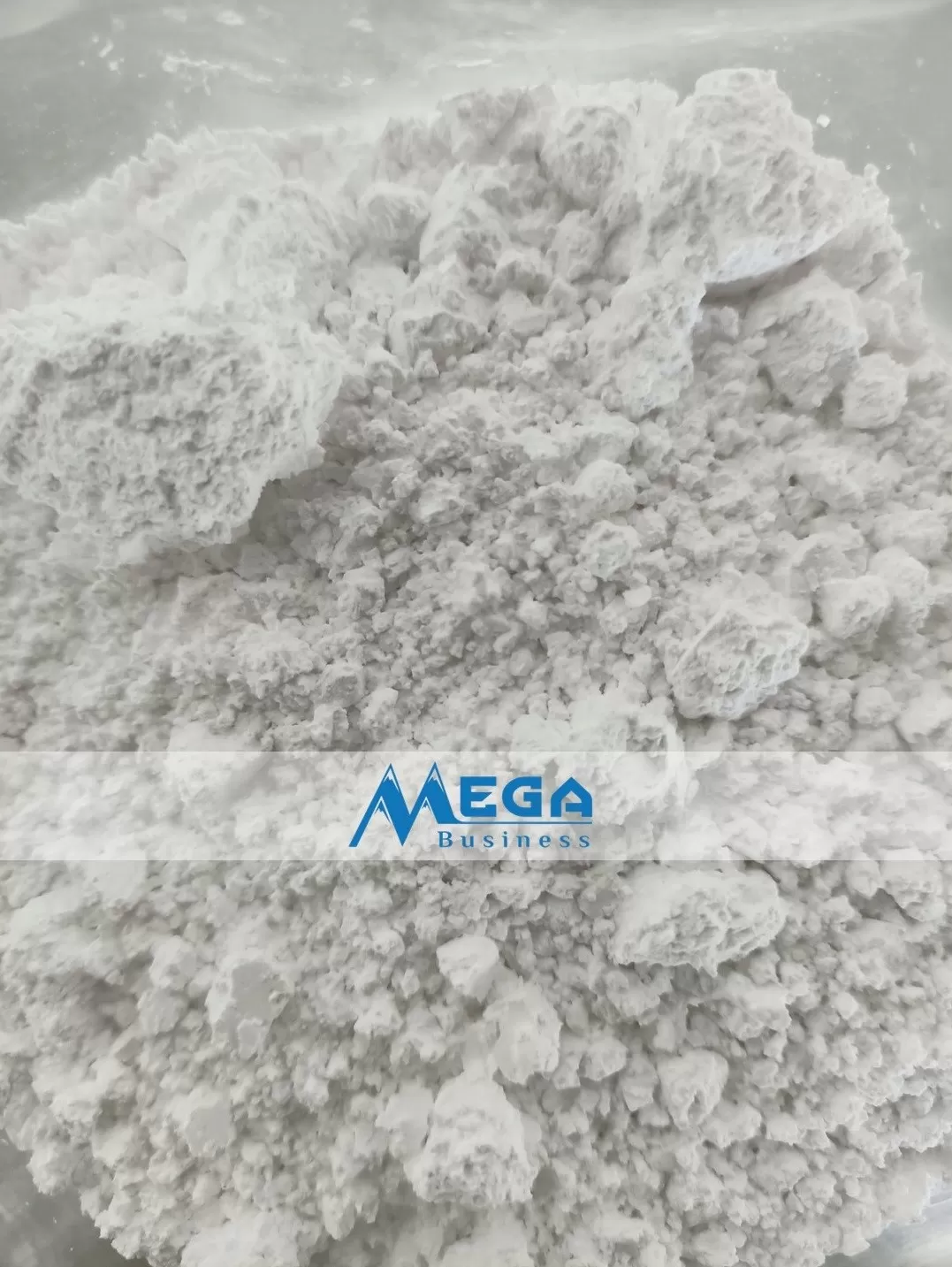
In essence, epoxy resin is a polymer compound containing active epoxy groups. When combined with a suitable curing agent, the material will undergo a curing reaction to form a three-dimensional interconnected network with very high mechanical strength and chemical stability.
Currently, epoxy resin is widely used in the production of industrial floor paint, anti-corrosion paint, steel structure paint, marine paint, glass fiber reinforced composite materials, industrial adhesives, electrical and electronic materials and many other technical fields.
OUTSTANDING ADVANTAGES OF EPOXY PLASTIC
The reason epoxy resin is commonly used is because it possesses many outstanding properties that are difficult to meet with conventional resins at the same time.
The adhesion ability of epoxy resin is very high on many types of materials such as metal, concrete, wood, glass, plastic and composite. After curing, the resulting material layer has great hardness, good impact resistance and limited cracking.
Besides, epoxy resin also has effective chemical resistance, grease resistance, solvent resistance and corrosion resistance. This helps the material to be widely used in harsh industrial environments such as chemical plants, food factories, mechanical workshops and coastal areas.
Another advantage is low shrinkage when curing, helping the finished surface to be stable, limiting cracking or deformation during use. In addition, many epoxy systems also have good heat resistance, electrical insulation and waterproofing properties, meeting technical requirements in the electronics and construction industries.
COMMON CLASSIFICATION OF EPOXY RESINS
On the market today there are many different types of epoxy resins, developed to meet each specific technical requirement.
1. Liquid Epoxy Resin
This is the most commonly used epoxy line in the production of floor paint, industrial coatings, adhesives and composite materials.
Liquid epoxy resin has the advantages of being easy to mix with curing agents, stable viscosity, good surface wetting ability and easy construction. After curing, the product forms a film with high gloss, good mechanical strength and effective chemical resistance.
Typical in the current product portfolio is the YD-128 Epoxy line originating from Korea. This is a standard liquid epoxy widely used in self-leveling industrial floor paint systems, anti-corrosion paint and many other technical applications.
2. Solid Epoxy Resin
Solid epoxy resin is often used in the production of powder paint, electrostatic paint, anti-rust paint, coil coating and many industrial paint systems that require high durability.
Compared to liquid epoxy, solid epoxy has a larger molecular weight, helping to improve heat resistance, increase hardness and enhance the protective properties of the paint film.
Some popular products include Solid Epoxy 601 and Solid Epoxy 609. These resin lines are synthesized from Epichlorohydrin and Bisphenol A, providing high bond strength, the ability to increase toughness and mechanical strength for the finished coating.
3. High Solid Solution Epoxy Resin
This is a group of epoxy resins that have been mixed in a solvent with a high solid content, making it convenient in the industrial paint production process.
The YD011X75 Epoxy product line is a typical example with a solid content of about 75%, often used in steel structure paint, anti-corrosion paint and industrial protection paint. The product has high adhesion, good heat resistance and chemical resistance.
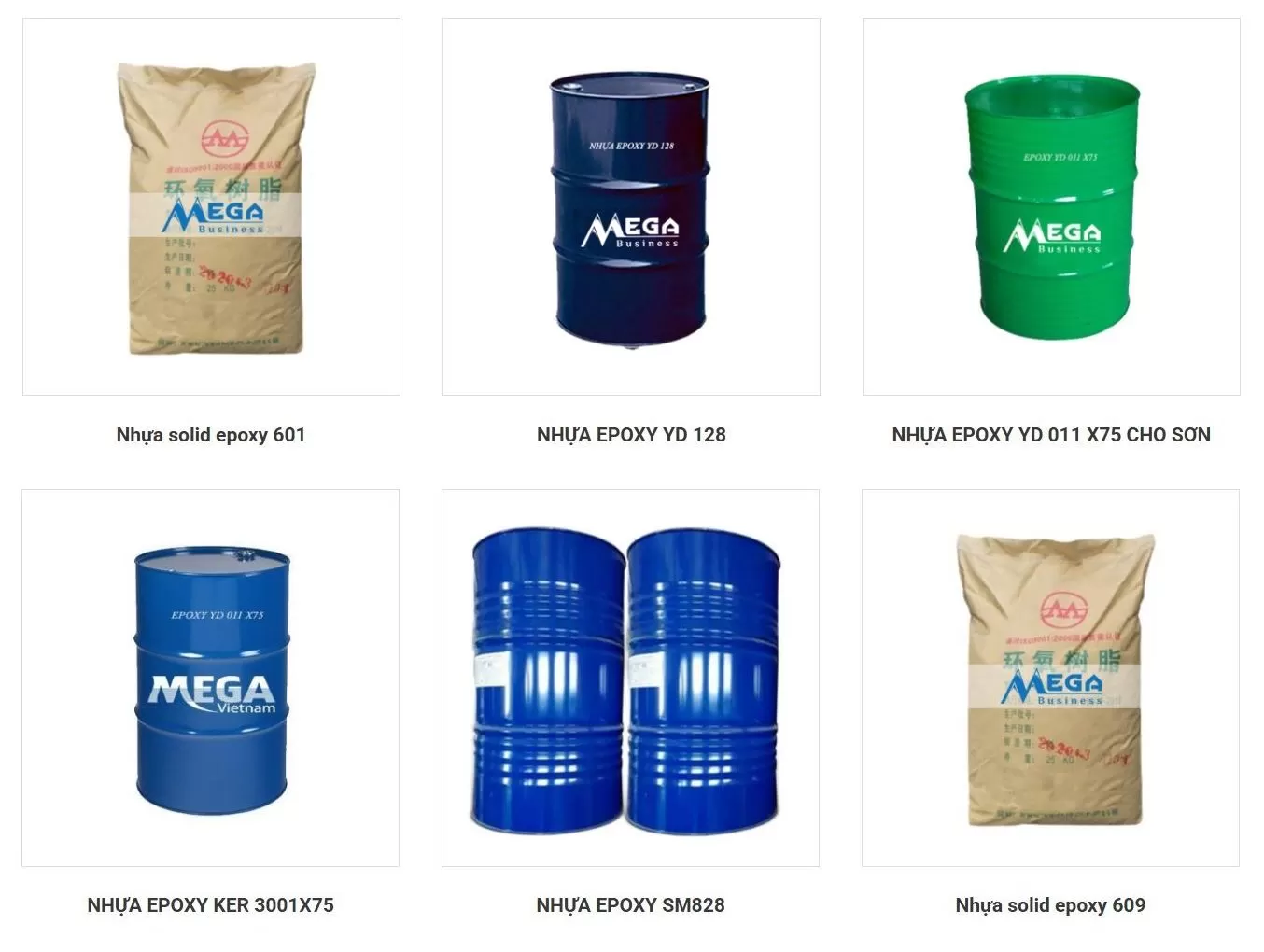
TYPICAL EPOXY RESINS LINES IN MEGA VIETNAM CATALOG
Catalog of epoxy resins Mega Vietnam's products currently include many categories serving the paint and industrial materials industries.
Typical products include:
- Epoxy resin YD-128 Used for self-leveling epoxy floor paint.
- Epoxy resin D.E.R 331 for the industrial paint industry.
- Epoxy resin JRE-475X75 Used in many paint and protective coating applications.
- Epotec YD128 plastic for anti-rust paint.
- Solid Epoxy 601 resin.
- Solid Epoxy 609 resin.
- Epoxy resin SM828.
- Epoxy resin KER 3001X75.
- Epoxy resin YD011X75 for steel structure paint and anti-corrosion paint.
Each product line will have different viscosity, molecular weight, epoxy content and application range. Choosing the right epoxy resin plays an important role in optimizing the quality of the final product.
APPLICATION OF EPOXY RESIN IN PRACTICE
Industrial Paint Industry
This is the largest area of epoxy resin consumption today.
Epoxy resin is used to produce factory floor paint, anti-corrosion paint, steel structure paint, marine paint, chemical tank protection paint and many other technical paint systems. Thanks to its good abrasion and chemical resistance, epoxy paint has a long service life even in harsh environments.
Construction Industry
In construction, epoxy resins are used to produce steel adhesives, concrete adhesives, waterproofing materials, structural repair mortars and technical grouting systems.
Strong adhesion makes epoxy an effective solution for projects that require long-term durability and stability.
Electrical and Electronics Industry
Epoxy resins are used in electronic component molding, circuit board protective coating, insulating materials production and technical laminates.
Good insulating properties and moisture resistance help increase the lifespan and stability of electronic devices.
Composite industry
In composite production, epoxy resin is used in combination with glass fiber, carbon fiber or aramid fiber to make products with high strength but light weight.
Common applications include boats, propellers, auto parts, sports equipment and many other high-tech products.
Industrial Adhesive Industry
Thanks to its strong adhesive ability, epoxy is used to bond metal, wood, stone, glass and many other materials in industrial and civil production.
HOW TO CHOOSE THE SUITABLE EPOXY RESIN
To choose the right type of epoxy resin, businesses need to clearly determine the intended use and technical requirements of the product.
If producing self-leveling industrial floor paint, YD-128 liquid epoxy resin is often a popular choice. With steel structure or anti-corrosion paint systems, high solid epoxy lines such as YD011X75 can provide better results. Meanwhile, powder coating or electrostatic painting production often prioritizes solid epoxy types such as 601 or 609.
In addition, factors such as viscosity, epoxy content, curing time, chemical resistance, operating temperature and compatible curing agent must be considered to achieve optimal results.
PROPERLY STORE EPOXY PLASTIC
Epoxy resin should be stored in sealed packaging, placed in a cool, dry place and away from direct sunlight.
Do not leave the product near high heat sources or environments with high humidity. During use, it is necessary to comply with chemical safety regulations and wear appropriate labor protection equipment.
When stored properly, many epoxy resin lines have a shelf life of up to 12 months or longer depending on the manufacturer.
Epoxy resin is an important material in many modern industries thanks to its high adhesion ability, outstanding mechanical strength, effective corrosion resistance and chemical resistance. From industrial floor paint, steel structure paint, composite materials to electronics and construction, epoxy always serves as the foundation to create high quality products. Choosing the right type of epoxy resin that matches technical requirements will help optimize production efficiency, improve product durability and reduce long-term operating costs.
>> View category details Epoxy resin <<
>> See more Epoxy resin YD 011X75 <<
>> See more Longoil alkyd resin <<
MEGA VIETNAM GENERAL TRADING COMPANY LIMITED
Address: Floor 2-A2-IA20, Nam Thang Long Urban Area, Ward. Pham Van Dong, Phu Thuong Ward, City. Hanoi.
Email: contact@megavietnam.vn; Tel: (+84) 24 375 89089;
Website: megavietnam.vn; Hotline: 1800.577.728; Zalo: 0971.023.523