However, not everyone clearly understands what TDI curing is, what its advantages and disadvantages are, and what applications it is suitable for. Understanding the characteristics of TDI curing will help businesses and users choose the right PU system to suit their actual needs.
WHAT IS TDI CURING?
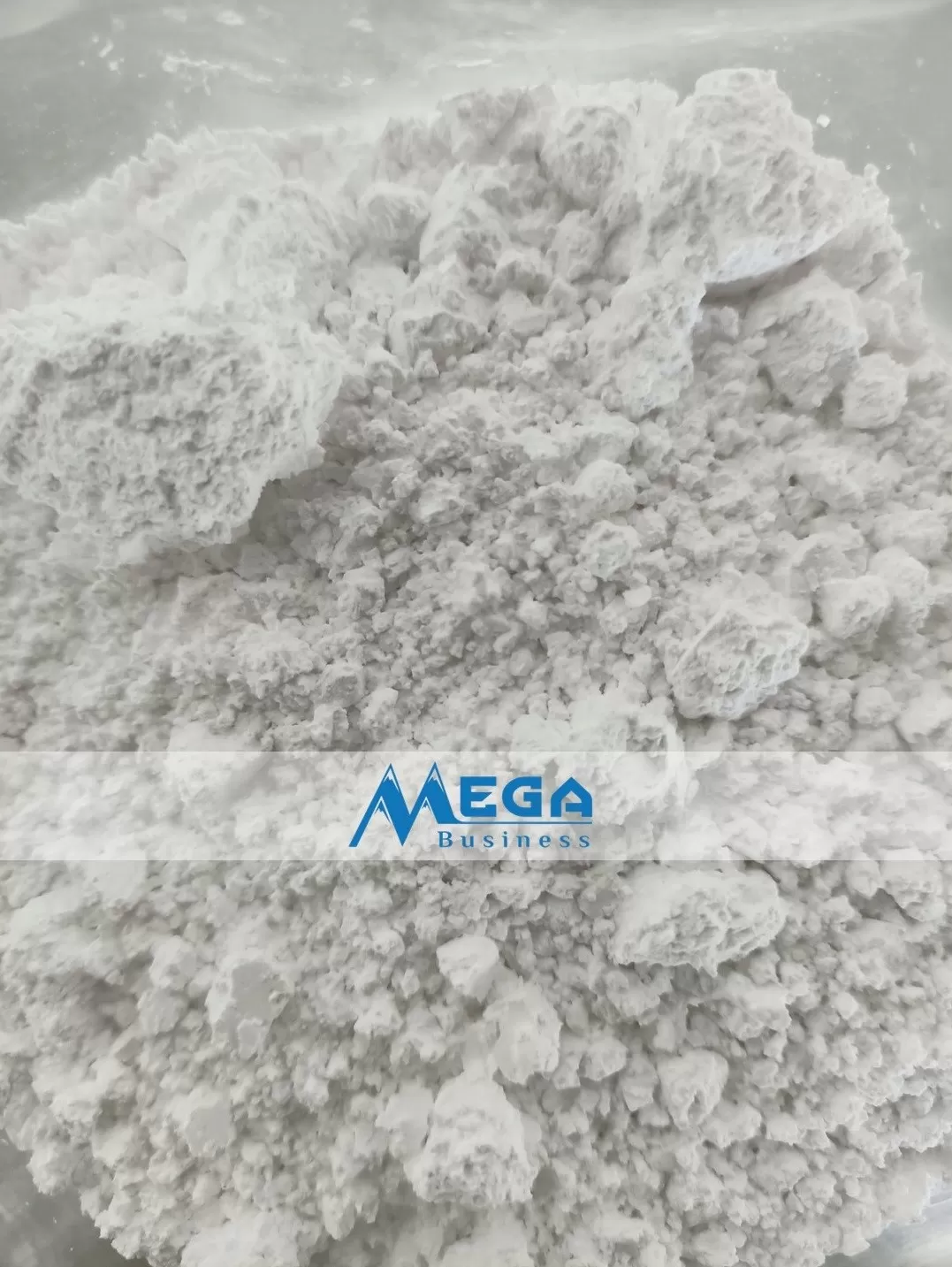
TDI curing agent is a polyurethane curing agent whose main component is based on Toluene Diisocyanate (TDI), belonging to the aromatic isocyanate group.
In the 2-component PU system, curing TDI will react with polyol to form a polyurethane bond network, helping to form a hard, durable and highly adhesive paint film.
Due to its strong reactivity, TDI curing is widely used in:
- Wood PU paint.
- Industrial PU glue.
- Polyurethane foam.
- Industrial coatings.
- Interior paint.
- PU-based glue.
This is one of the important base materials of the polyurethane industry worldwide.
HIGHLIGHTS FEATURES OF TDI CURING
1. Fast response speed
One of the biggest advantages of TDI curing is its ability to react quickly with polyols, helping the PU system cure faster during construction and production.
This helps: Shorten drying time, increase production speed, reduce product processing waiting time, suitable for industrial production lines.
This is the reason why many furniture manufacturing and industrial processing factories previously preferred to use TDI curing.
2. Good hardness and mechanical strength
PU systems using TDI curing often produce membranes with high hardness, good adhesion, good impact resistance and relatively stable abrasion resistance.
Thanks to that, TDI curing is widely used in coatings that require mechanical durability and ability to withstand physical impacts.
3. Price is more competitive than many HDI lines
Compared to high-end aliphatic HDI curing lines, TDI curing often has lower costs.
This helps businesses optimize production costs, reduce the cost of PU paint, is easy to deploy in popular segments and is suitable for products that do not require high UV protection.
Therefore, TDI curing is still used in many industrial paint systems today even though new technologies have developed strongly.
DISADVANTAGES OF TDI CURING
1. Easily turns yellow when exposed to UV rays
Because it belongs to the aromatic isocyanate group, TDI curing has a major disadvantage: it easily turns yellow when exposed to sunlight or UV rays for a long time.
This is the reason why white paint easily yellows, the glossy surface loses aesthetics, and the paint color changes after outdoor use.
For this reason, PU systems using TDI are often more suitable for indoor applications or environments with little exposure to direct sunlight.
2. Weather resistance is not as good as HDI curing
Modern aliphatic HDI curing systems often have better UV resistance, longer color retention, better aging resistance and greater outdoor stability.
Meanwhile, TDI curing is more suitable for interior paints, PU adhesives, indoor industrial paints and cost-conscious applications.
COMMON APPLICATIONS OF TDI CURING
Despite the disadvantage of UV protection, TDI curing is still widely used in many fields thanks to its price and good reactivity.
- PU paint for interior wood
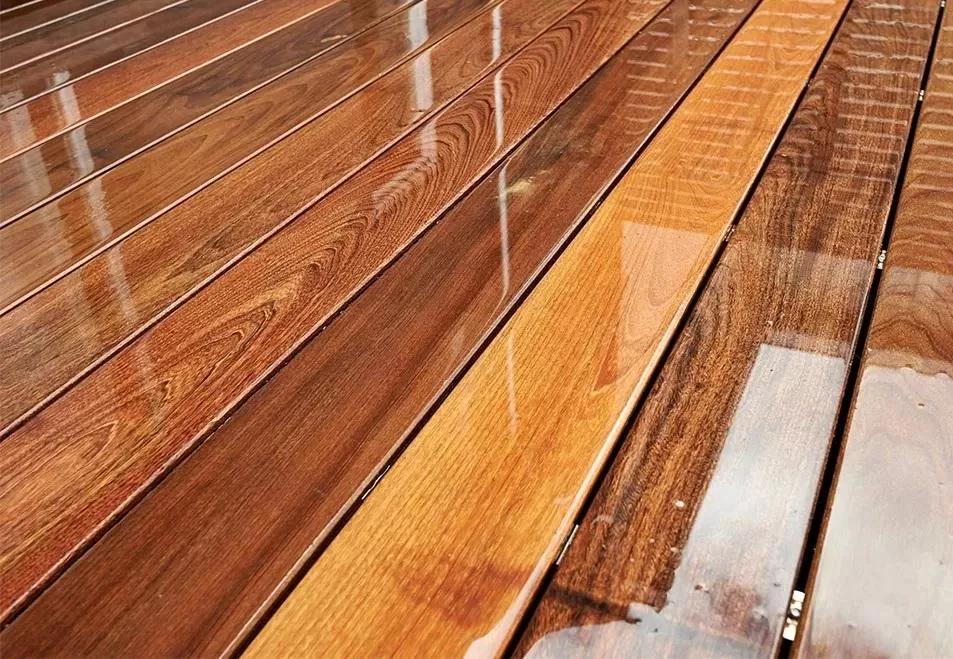
TDI curing is a very popular choice for interior wood PU paint thanks to its beautiful gloss, quick drying, reasonable price and ease of application. Products such as tables and chairs, wooden cabinets, and indoor furniture often use PU system with TDI curing.
- Industrial polyurethane adhesive
In the glue industry, TDI curing is used to produce PU glue, wood joint glue, material glue, and fast-response industrial glue. The ability to create good bonds to help cure TDI still plays an important role in many current PU adhesive formulas.
- Polyurethane foam
TDI curing is an extremely popular material in the production of PU foam such as: mousse mattresses, sofa foam, insulation materials, industrial cushions. This is one of the largest applications of TDI curing in the global market.
SAFETY NOTES WHEN USING TDI SOLIDATE
TDI is a highly reactive chemical, so labor safety procedures must be strictly followed. When using:
- Wear protective masks and gloves.
- Work in a well-ventilated place.
- Avoid direct contact with skin and eyes.
- Store tightly closed to avoid moisture.
- Avoid high heat sources.
Proper storage helps maintain product quality and limit unwanted reactions.
Although many high-end paint systems have switched to HDI, TDI curing still plays an important role thanks to its competitive price, fast curing ability, good mechanical durability and suitability for many industrial applications. Especially in areas that do not require very high UV protection, TDI curing is still an effective economic solution for many businesses producing PU paint and glue.
>> Contact now Mega Vietnam for advice on the appropriate TDI curing type <<
>> See more Curing HDI Coronate HX <<
>> See more Curing HDI Coronate HXR <<
>> See more Longoil alkyd resin <<
MEGA VIETNAM GENERAL TRADING COMPANY LIMITED
Address: Floor 2-A2-IA20, Nam Thang Long Urban Area, Ward. Pham Van Dong, Phu Thuong Ward, City. Hanoi.
Email: contact@megavietnam.vn; Tel: (+84) 24 375 89089;
Website: megavietnam.vn; Hotline: 1800.577.728; Zalo: 0971.023.523