Unlike conventional plastics, transparent epoxy is a thermosetting material system formed through a chemical reaction between epoxy resin and curing agent. After the reaction is completed, the material turns into a solid state with high stability, a transparent surface like glass and good bearing capacity. Thanks to this unique characteristic, transparent epoxy is considered the ideal choice for many applications that require both aesthetics and long-term durability.
WHAT IS TRANSPARENT EPOXY PLASTIC?
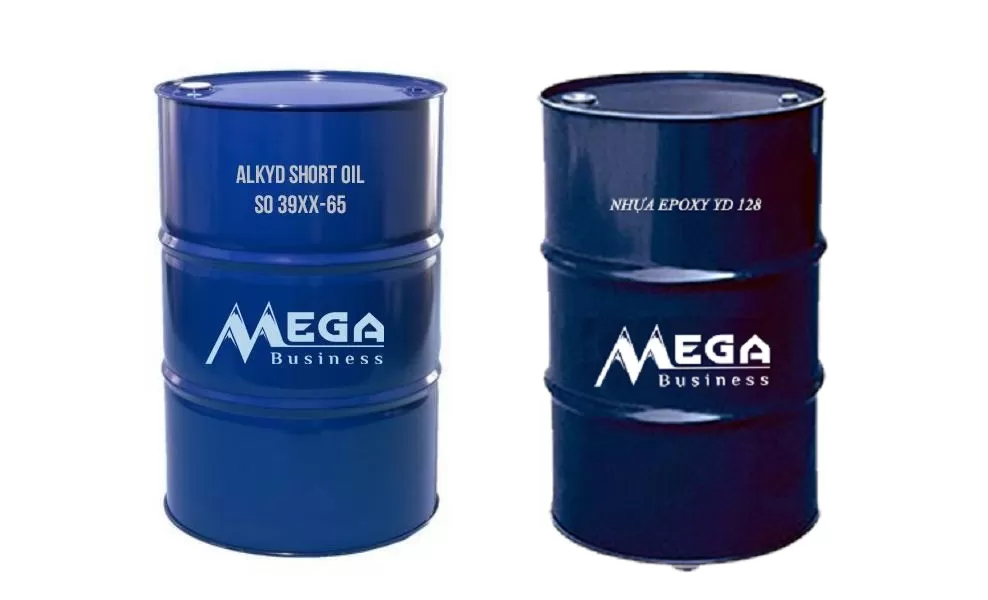
Transparent epoxy resin (for example, YD 128 epoxy resin) is an epoxy resin capable of forming an almost colorless layer of material after curing. The main components of the epoxy system usually include two parts: resin (plastic part) and hardener (plastic part).curing agent). When mixed in the right ratio, these two components undergo a chemical reaction to create a durable polymer bond network.
The most outstanding feature of transparent epoxy is its ability to create a "crystal" or "glass" effect with a very high gloss. Once fully cured, the surface can achieve nearly glass-like transparency but has better impact resistance and adhesion in many applications.
Depending on the production formula, transparent epoxy can be designed to meet many different requirements such as anti-UV, anti-yellowing, self-leveling, anti-bubbles or better heat resistance.
WHY IS TRANSPARENT EPOXY PLASTIC POPULAR?
The popularity of transparent epoxy comes from the fact that this material combines both technical and aesthetic elements in the same product. This is something that not many traditional materials can meet at the same time.
One of the biggest advantages is the ability to create deep shine and extremely beautiful transparent effects. When applied to the surface of wood, stone or decorative materials, epoxy helps highlight the color and depth of the base material.
In addition, transparent epoxy also has very strong adhesion on many types of surfaces such as wood, metal, concrete, glass, stone or composite. After curing, the material has good bearing capacity, water resistance and quite high chemical resistance.
Some high-end epoxy systems are also supplemented with anti-UV additives to reduce yellowing when used in strong light environments.
OUTSTANDING FEATURES OF TRANSPARENT EPOXY PLASTIC
High transparency
This is the most important characteristic of this material line. High quality epoxy can create a glass-like clear coating with good light transmittance, making the surface luxurious and deep.
Nice gloss
After curing, epoxy creates a very strong mirror effect, especially suitable for modern interiors and art products.
Self-leveling ability
Many types of epoxies are designed to self-level the surface, helping to reduce ripples and create a beautiful smooth finish.
High adhesion
Epoxy has the ability to adhere firmly to many different materials, helping to increase the stability and longevity of the product.
Water and chemical resistant
Once completely cured, epoxy has good waterproofing properties and is resistant to many mild chemicals.
High hardness
The finished epoxy layer usually has good hardness, helping to protect the surface from scratches and impacts to a certain extent.
APPLICATIONS OF TRANSPARENT EPOXY PLASTIC IN PRACTICE
Today, transparent epoxy appears in many different fields thanks to its versatility and high aesthetic effects.
In the furniture industry, epoxy is used to create resin table tops, epoxy wood tables, cover natural wood surfaces, bar counters, kitchen tops or high-end decorative details. The famous "river tables" are a typical example of using transparent epoxy combined with natural wood.
In the field of arts and crafts, epoxy is often used to cast models, make handmade jewelry, resin art paintings or preserve dried flowers and decorative objects.
In the electronics industry, transparent epoxy is used to pour glue to protect electronic components thanks to its electrical insulation and moisture resistance.
In addition, this material is also used in the construction industry to cover floors, waterproof or create a protective layer on concrete surfaces.
DOES TRANSPARENT EPOXY PLASTIC YELLOW?
This is one of the most common questions when it comes to clear epoxy. In fact, most epoxy systems have the ability to turn yellow over time when exposed to UV rays or high temperatures.
However, the degree of yellowing depends greatly on the quality of raw materials and production technology. High-end epoxy lines are often supplemented with anti-UV agents and light-stabilizing additives to slow down the discoloration process.
In addition, usage conditions also strongly affect the color life of epoxy. If the product is often exposed to direct sunlight or high temperature environments, yellowing will occur faster.
FACTORS AFFECTING THE CLEARNESS OF EPOXY
To create a beautiful transparent epoxy layer, the construction process needs to control many technical factors.
One of the most important factors is the mixing ratio. If the ratio between resin and hardener is wrong, the chemical reaction may not be complete, leading to a cloudy surface or not curing properly.
Air bubbles are also a common cause of reducing the clarity of epoxy. During the stirring process, air is easily drawn into the mixture. Therefore, many construction workers often use heat torches or vacuum chambers to remove air bubbles.
Ambient temperature also significantly affects surface quality. Too low a temperature can cause the reaction to proceed slowly and create turbidity. On the contrary, too high a temperature can cause the epoxy to react too quickly and generate more air bubbles.
COMPARE CLEAR EPOXY WITH OTHER MATERIALS
Compared to PU or acrylic paint, epoxy usually has a higher thickness and gloss. Epoxy also creates a "deeper" feeling on the surface of the material.
Compared to glass, epoxy is lighter and easier to shape, but its scratch resistance is often lower than tempered glass.
Compared to polyester resin, epoxy generally has better adhesion, lower shrinkage and less odor. However, the price of epoxy is often significantly higher.
HOW TO EFFICIENTLY PRESERVE AND USE TRANSPARENT EPOXY
To ensure epoxy quality, raw materials need to be stored in a dry place, away from direct sunlight and excessive heat.
During use, it is necessary to mix in the correct ratio recommended by the manufacturer and stir well to ensure a complete reaction. In addition, construction should be done in a clean environment to limit dust and air bubbles.
When working with epoxy, users should use gloves and masks to avoid direct contact for long periods of time.
Transparent epoxy is one of the modern materials with extremely wide application thanks to the combination of mechanical strength, adhesion ability and high-end aesthetic effect. From furniture, art to engineering industry, epoxy is increasingly proving its important role in modern material trends.
With the ability to create deep gloss, glass-like surface and impressive visual effects, transparent epoxy resin not only helps enhance aesthetic value but also opens up many creative ideas in design and production. When choosing the right type of epoxy and applying the right techniques, users can create products that are both beautiful and durable over time.
>> See details YD 128 epoxy resin <<
>> See more Epoxy resin YD 011X75 <<
>> See more Epoxy resin <<
>> See more Epoxy curing <<
MEGA VIETNAM GENERAL TRADING COMPANY LIMITED
Address: Floor 2-A2-IA20, Nam Thang Long Urban Area, Ward. Pham Van Dong, Phu Thuong Ward, City. Hanoi.
Email: contact@megavietnam.vn; Tel: (+84) 24 375 89089;
Website: megavietnam.vn; Hotline: 1800.577.728; Zalo: 0971.023.523